
Dressing & Grooming Tips for Parkinson’s Motor Challenges
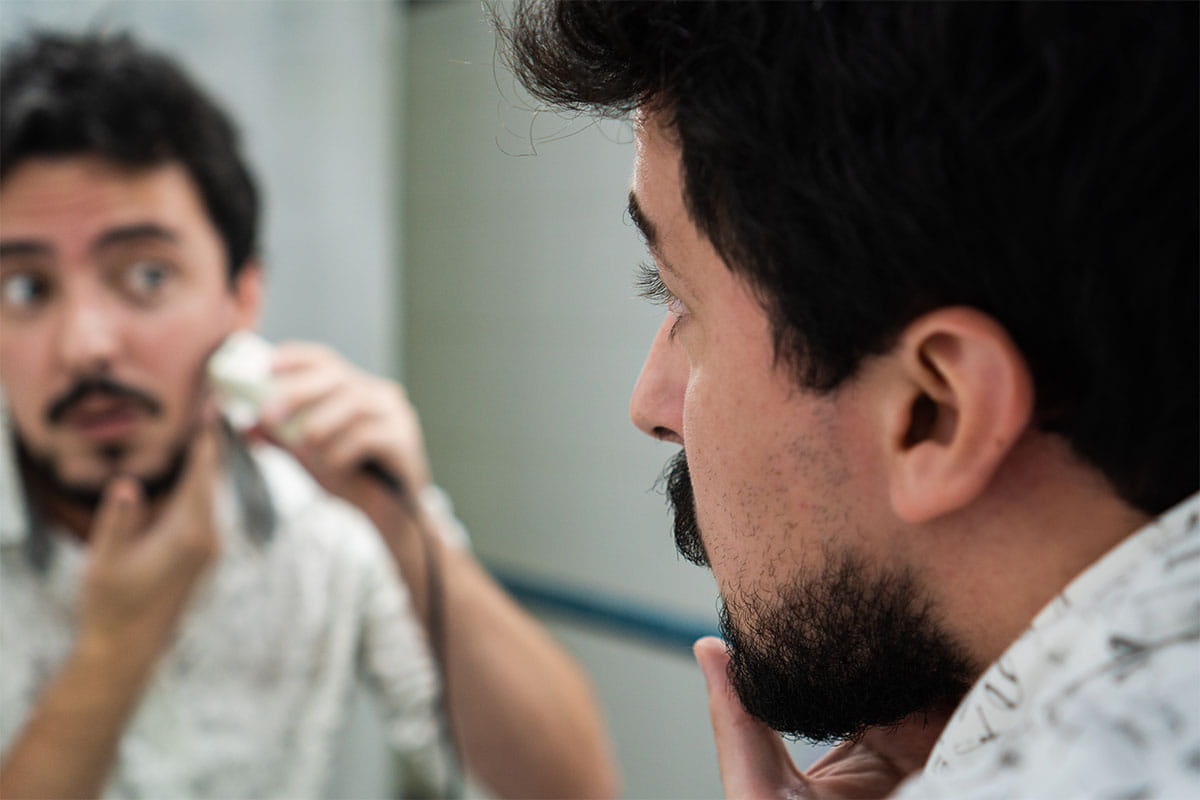
As a person with Parkinson’s, you can make dressing and grooming more manageable by addressing tricky moments (bending, balancing on one foot, rushing, wrestling with fasteners) and by making the routine more predictable.
Address Safety and Timing
Many falls occur during transitional movement. For example, stepping into pants while standing, leaning forward to reach a sock, and turning quickly to grab something.
A straightforward safety adjustment is to sit down to dress. A sturdy chair with arms is ideal; avoid sitting on a bed because it can be wobbly and lead to a fall. If you can, set up a “dressing station” where everything you need is within reach.

It also helps to dress during your best mobility window. Some PWPs notice dressing goes smoothly when meds are working well, so put off getting dressed later in the morning if you have to. For good measure, do a few stretches to warm up your joints, limbs, and muscles.
Also, it’s okay to go slow and take your time.
Find the Right Clothing
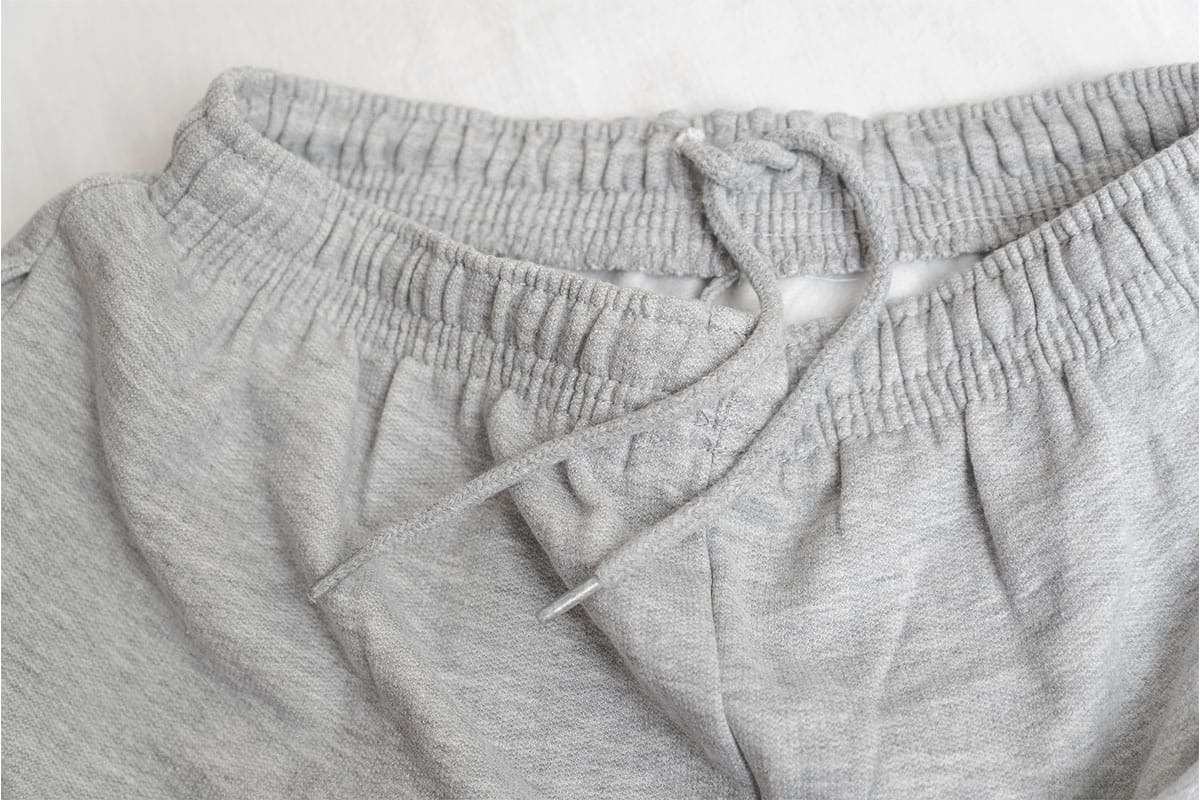
You don’t need to buy a whole new wardrobe, but you do need to choose (or tailor) key pieces that cooperate with your hands and your timing.
Things that tend to help:
- Pants with elastic waists or easy pulls instead of zippers and tiny buttons
- Closures you can manage on a tough day (Velcro or magnets can be game-changers)
- Lightweight fabrics that slide rather than cling
Check out this PCLA article focused on adaptive clothing, with product-style ideas you can try right away.
Tips on Choosing Shoes and Socks
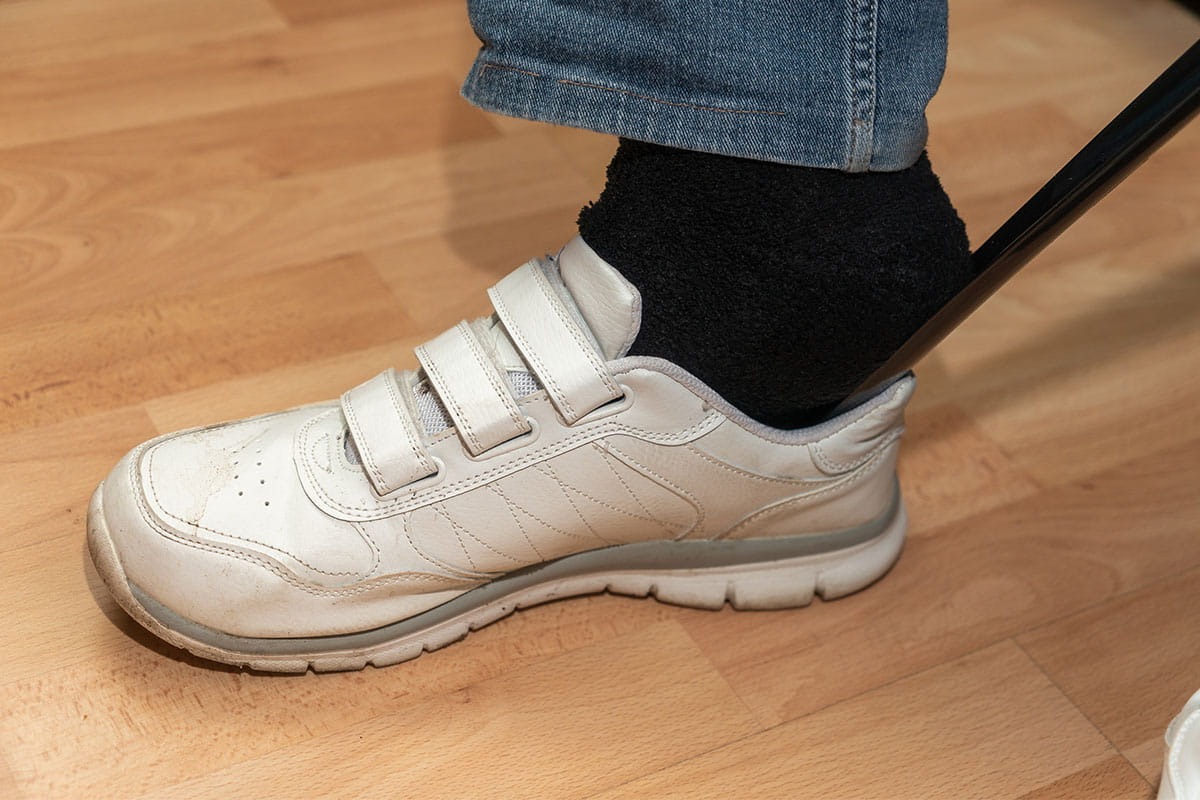
Stable shoes can reduce risk when balance is changing, and Parkinson’s rehab guidance often emphasizes supportive footwear (think low heel, good grip, solid back).
Choose velcro show closures or elastic shoelaces, where you don’t have to tie anything. Slip-ons are a great alternative as long as you don’t have to strain to get them on.
For socks, many people do better with a sock aid (less bending, less wobbling) or non-skid socks instead of slippers when walking around the house.
Break Up Tasks Into Chunks

One of the hardest parts of bradykinesia (slowness of movement) is that it can interrupt you mid-task, causing your brain-body signal to take longer to complete the movement.
Try treating dressing like a short sequence instead of one long job:
underwear → pause → pants (seated) → pause → shirt → socks/shoes (seated)
Those living with Parkinson’s often tell us that giving themselves “permission” to pause is the difference between finishing calmly and getting frustrated.
If you're freezing up, external cues can help initiate movement. That can look like counting out loud, tapping a rhythm, or using music with a steady beat. The “right” cue is the one that works for your body in that moment.
Adjust Your Grooming Routine
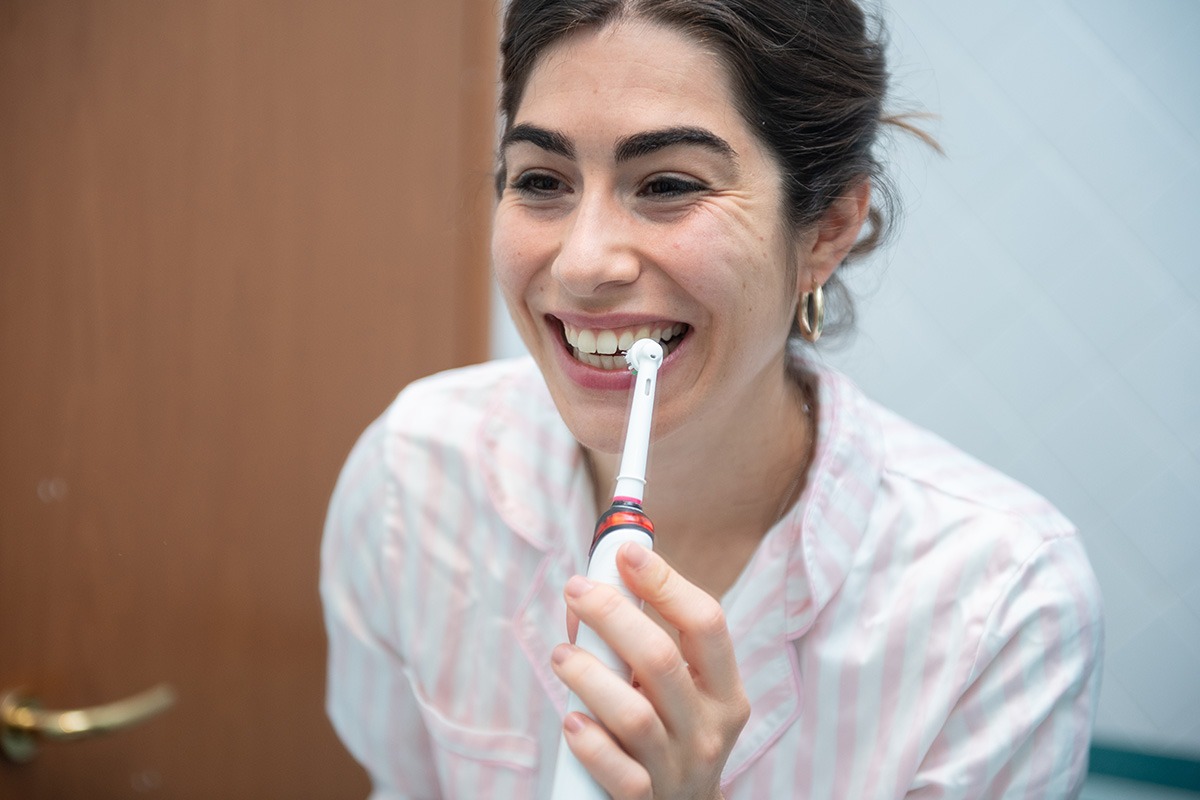
Grooming routines can feel especially frustrating because they require fine motor control, steady positioning, and a time limit (no one wants to be in the bathroom all morning). Tremor, shoulder stiffness, reduced dexterity, and fatigue can all appear here.
A few choices that can help:
- Make an appointment with a barber for head or beard shaving
- Switch to pump bottles instead of twist caps
- Rest your elbows on the counter to steady the arms
- Try an electric toothbrush (this may be difficult if you have dyskinesia)
If facial stiffness, drooling, or swallowing changes are part of what’s making grooming uncomfortable, a speech-language pathologist can help (yes, even with things that don’t sound like “speech”).
Another important shift is positioning. Sitting down at a vanity or at the bathroom counter reduces the risk of losing balance. If you tend to lean forward, bring a mirror closer instead of bending toward it. Bracing your elbows on the counter can also steady your hands (a stabilization technique often taught in occupational therapy).
Hair care
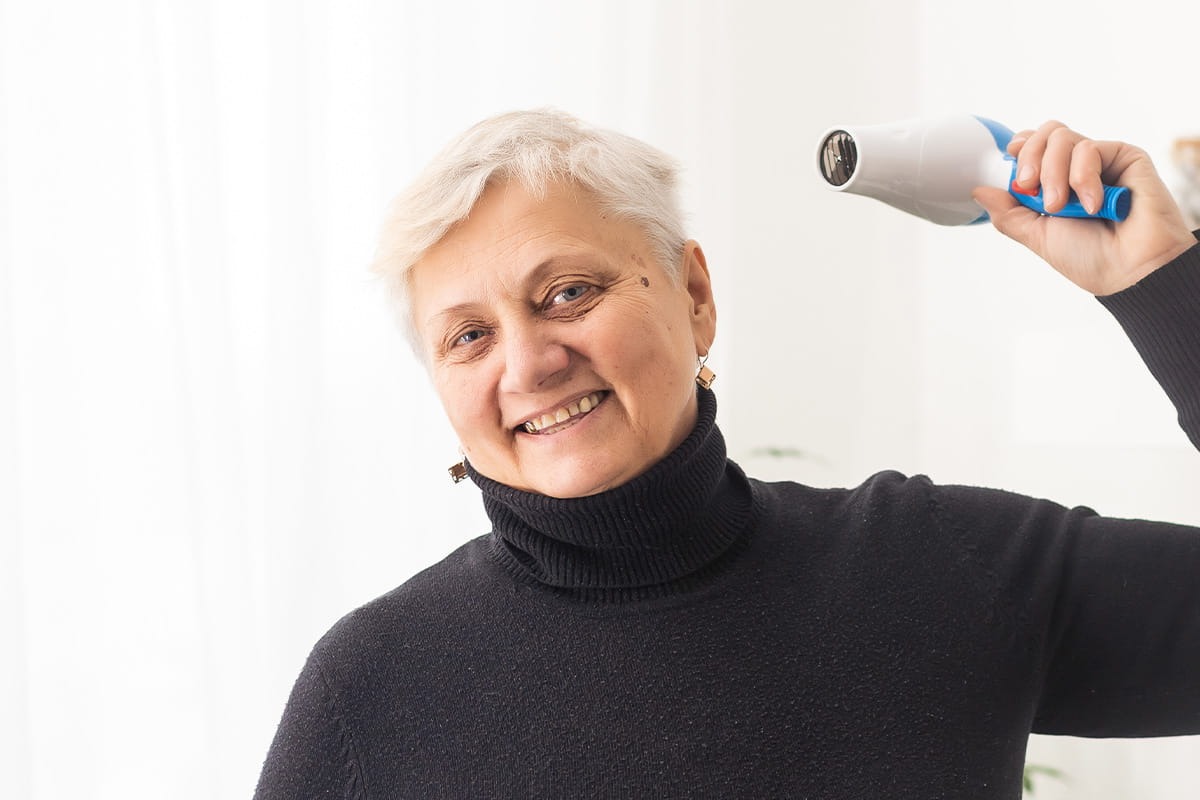
If lifting your arms overhead feels tiring or stiff:
- Try styling while seated with elbows supported
- Consider shorter or layered cuts that require less drying and styling time
- Use lightweight hair dryers or models with larger handles for easier grip
- Dry shampoo can stretch the time between full washes on low-energy days
If washing your hair in the shower feels unsteady, a shower chair and handheld showerhead can make the process safer and less rushed.
Makeup
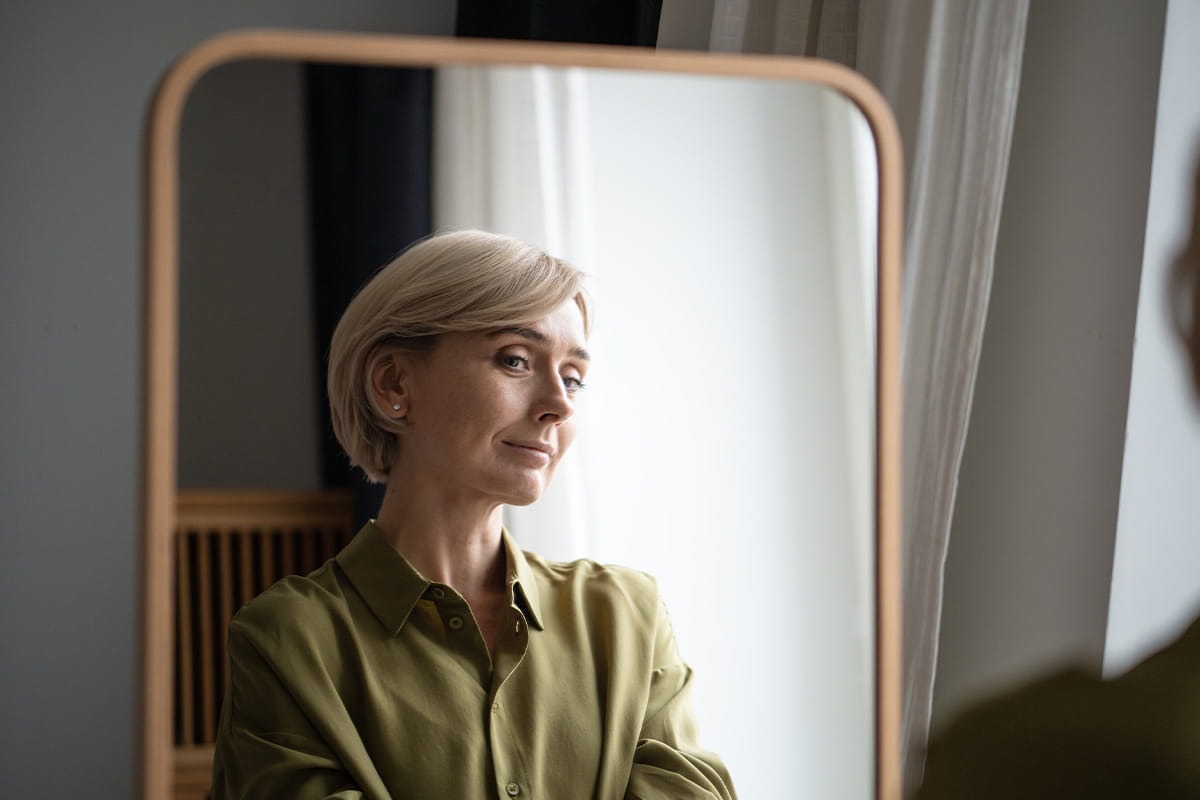
Makeup can become challenging when tremor or hand stiffness makes precise application harder. A few practical adjustments:
- Rest your elbow on the counter while applying eyeliner or mascara
- Use pencil products instead of liquid liners for more control
- Use weighted makeup brushes available on accessibility websites
- Choose larger-handled brushes or add grip tubing to existing brushes
- Sit close to a well-lit mirror to reduce leaning and straining
Some people find that simplifying the routine by focusing on one or two features instead of a full application reduces fatigue without sacrificing confidence. There’s no rule that says you have to do it the way you always did.
Shaving
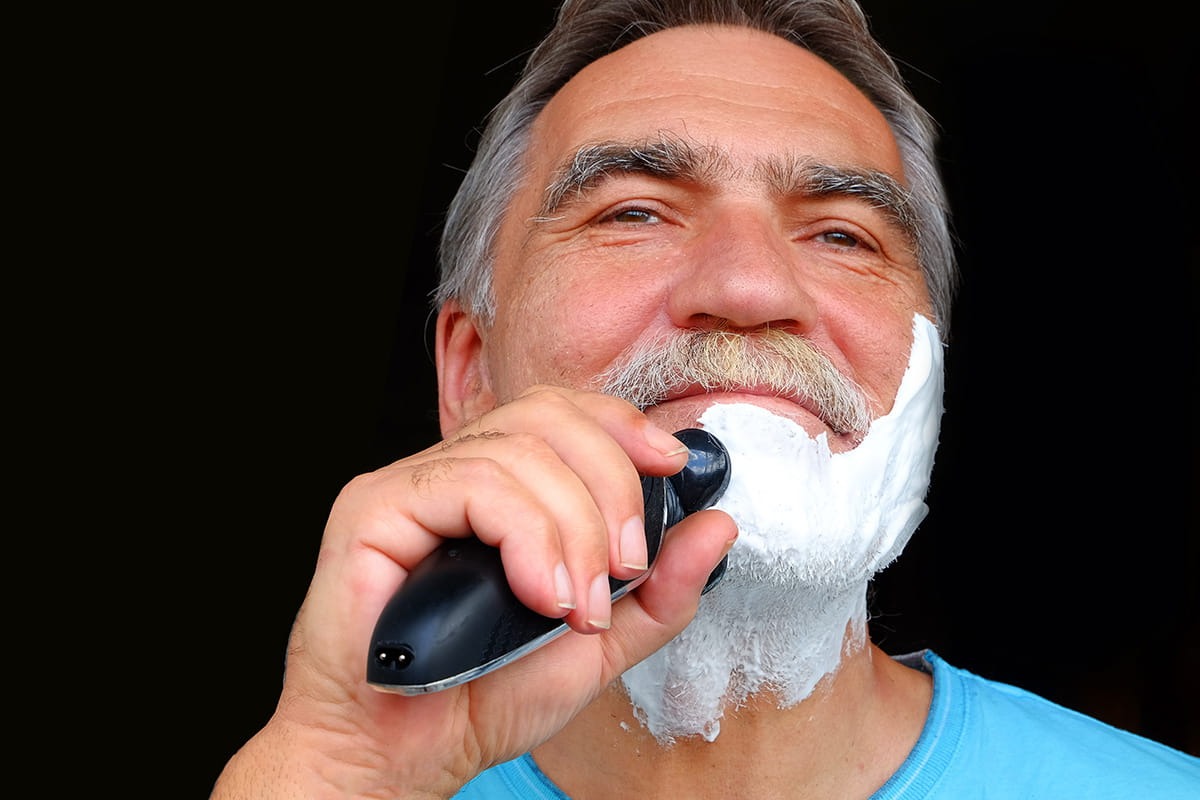
Shaving requires steady movement and attention to skin safety. For many people with Parkinson’s, switching to an electric razor reduces the risk of nicks caused by tremor or sudden movements. Electric models also require less wrist precision.
However, electric shavers may be challenging for those with dyskinesia. Instead, make an appointment with a barber or care partner to have your head or beard shaved.
If grooming has become something you dread, that’s worth paying attention to. These routines are about appearance, but also about identity and feeling like yourself. Small adaptations can preserve both safety and dignity.
Overcome Fatigue

Fatigue in Parkinson’s is widely described in neurology research as common, disabling, and often underrecognized.
If fatigue is part of your day, the goal is not to “push through” every morning routine like it’s a test. It’s okay to:
- Lay clothes out the night before
- Dress in two rounds with a rest break
- Choose simpler outfits on low-energy days
Bring in Extra Support

If dressing has started to feel unsafe, or if it’s taking so long that you’re avoiding leaving the house, that’s a good moment for an occupational therapy consult. OT can help with body mechanics, tools, and home setup.
If you want help figuring out what kind of support fits your situation, reach out to us at PCLA. We can talk it through like we would on the phone: what’s hardest, when it’s hardest, and what’s worth trying first.
Donate Today,
Change Lives Forever
PCLA is powered by generous contributions from people like you.
Please consider donating today so we can continue to provide critical support to those impacted by Parkinson’s.
