
Nature Prescription for Parkinson’s: Harness the Healing Power of the Outdoors
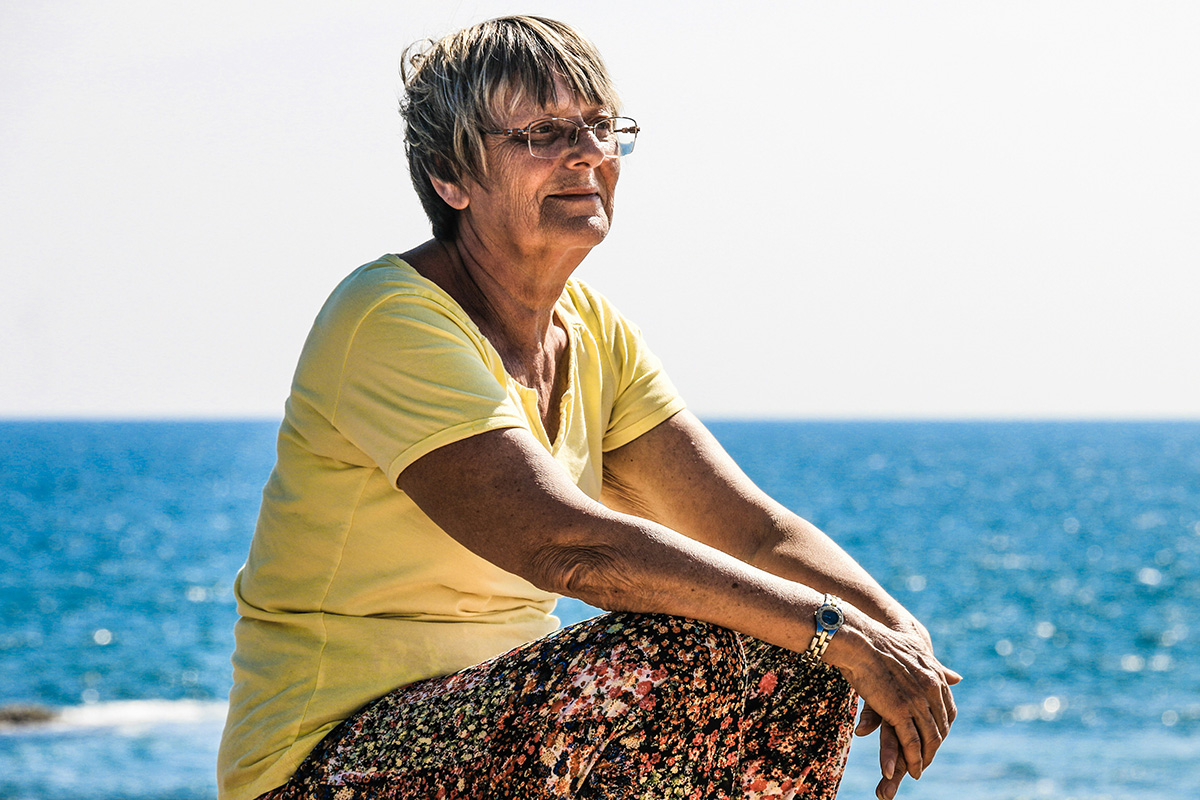
Living with Parkinson’s disease (PD) presents daily challenges, but nature offers a powerful and accessible form of support. Spending time outdoors, surrounded by green spaces, fresh air, and natural light, may help manage PD symptoms while nurturing overall well-being. Whether you take a gentle walk in a local park, tend a garden, or simply sit outside in the morning sun, the natural world is ready to work with you on your wellness journey.
Why Nature?
Time spent in nature is not just pleasant, it’s therapeutic.
Dr. John La Puma, MD, author of Indoor Epidemic: 93% Inside Steals Sleep, Focus & Years—The 7% Outdoor Rx Restores Them (2026), highlights the remarkable synergy of outdoor living: “Add real food to Outdoor Rx and you stack two medicines at once: light and nutrients, working together.” He also reminds us that “Morning outdoor light boosts alertness. It also sets the timer for tonight’s melatonin.”
Dr. Melissa Sundermann, DO, author of Doctor Outdoors’ Guide to Nature and Lifestyle Medicine (2026), reminds us that nature also strengthens our social and emotional lives. She encourages activities such as:
- Gardening with family
- A sunrise hike
- Stargazing from your backyard
- Going for a nature walk
- Having a picnic in a quiet park with loved ones
Getting Active in Nature
You do not need to be an athlete to enjoy the benefits of outdoor movement. Here are some gentle, effective activities to consider:
- Walking, tai chi, yoga, or qigong at a local park
- Hiking on accessible trails at your own pace
- Nordic walking, an outdoor sport that involves walking rhythmically using two poles.
- Forest bathing, an immersion in a forest atmosphere through multisensory engagement. It involves being present and connected to nature.
What Does the Research Say?
The science supports spending time in natural environments as a meaningful strategy for those living with PD:
- A study in Neurobiology of Disease (2026) concluded that “We found evidence that higher exposure to natural environment and green space were associated with a reduced risk of PD, particularly among older individuals, ever-smokers [anyone who has ever smoked], those with high genetic susceptibility, and those facing socioeconomic disadvantage or higher air pollution.”
- A study in JAMA Network Open (2022) concluded that “some natural environments are associated with a decreased risk of PD hospitalization.”
Getting Started
Beginning a nature-based routine does not have to be complicated. A few simple steps can help you get started with confidence:
- Wear loose, comfortable clothing appropriate for the weather.
- Keep water nearby to stay well hydrated.
- Learn proper techniques from a qualified therapist or instructor, ideally in person during your initial sessions.
- Participate in outdoor activities with a friend, care partner or caregiver for added safety and enjoyment.
Safety Precautions for Parkinson’s
Before starting any new exercise program, especially if you have balance concerns, safety must come first:
- Obtain medical clearance from your healthcare provider before beginning a new exercise routine.
- Progress gradually under the supervision of a qualified professional.
- Begin with shorter sessions to prevent excessive fatigue and allow your body to adapt.
Helpful Resource
- Walk with a Doc: https://walkwithadoc.org
Final Thoughts
Nature is one of the most accessible and underutilized tools available to those living with Parkinson’s. You do not need expensive equipment or a gym membership, just a willingness to step outside and let the natural world support your health. Whether it is a morning stroll, a quiet moment in the garden, or an evening watching the stars, every moment in nature is a step toward greater well-being. Start small, be consistent, and let each outdoor experience build your strength, balance, and spirit.
References
- Bandyopadhyay A, Shah S, Roviello GN. Forest Bathing (Shinrin-yoku) and preventive medicine: immune modulation, stress regulation, neurocognitive resilience, and neurological health. Med Sci (Basel). 2026;14(1):95.
https://pmc.ncbi.nlm.nih.gov/articles/PMC12921901/
- Cheng B, Cheng S, Wei W, Pan C, Wu C, Zhang F. Residential green space, natural environment, domestic garden, and the risk of Parkinson's disease: A prospective cohort study. Neurobiol Dis. Published online February 25, 2026.
https://pubmed.ncbi.nlm.nih.gov/41759830/
- Klompmaker JO, Laden F, Browning MHEM, et al. Associations of greenness, parks, and blue space with neurodegenerative disease hospitalizations among older US adults. JAMA Netw Open. 2022;5(12):e2247664.
https://pubmed.ncbi.nlm.nih.gov/36538329/
- La Puma J. Indoor Epidemic: 93% Inside Steals Sleep, Focus & Years—The 7% Outdoor Rx Restores Them. Wellness Imprints, 2026.
- Leal-Nascimento AH, da Silva ES, Zanardi APJ, et al. Biomechanical responses of Nordic walking in people with Parkinson's disease. Scand J Med Sci Sports. 2022;32(2):290-297.
https://pubmed.ncbi.nlm.nih.gov/34780079/
- Sundermann M. Doctor Outdoors’ Guide to Nature and Lifestyle Medicine. Monterey, CA: Healthy Learning, 2026.
Further Reading
- Feng Y, Li M, Hao X, et al. Air pollution, greenspace exposure and risk of Parkinson's disease: a prospective study of 441,462 participants. J Neurol. 2024;271(8):5233-5245.
https://pubmed.ncbi.nlm.nih.gov/38847847/
- Ottosson J, Lavesson L, Pinzke S, Grahn P. The significance of experiences of nature for people with Parkinson's disease, with special focus on freezing of gait--the necessity for a biophilic environment. a multi-method single subject study. Int J Environ Res Public Health. 2015;12(7):7274-7299.
https://pubmed.ncbi.nlm.nih.gov/26132480/
- Yuchi W, Sbihi H, Davies H, Tamburic L, Brauer M. Road proximity, air pollution, noise, green space and neurologic disease incidence: a population-based cohort study. Environ Health. 2020;19(1):8.
https://pubmed.ncbi.nlm.nih.gov/31964412/
Written by Ziya “Z” Altug, PT, DPT, MS, DipACLM, OCS
Donate Today,
Change Lives Forever
PCLA is powered by generous contributions from people like you.
Please consider donating today so we can continue to provide critical support to those impacted by Parkinson’s.
