
Parkinson’s and Hallucinations: What to Know and How to Help

Hallucinations are a known part of Parkinson’s for many people. A hallucination happens when a person sees, hears, or feels something that isn’t there. They’re one of the non-motor symptoms of Parkinson’s, which affect more than movement.
Many people keep hallucinations to themselves because they feel embarrassed or worry about what others will think. Hallucinations are a recognized symptom with known causes, and your care team can often help. Here’s what to know about hallucinations in Parkinson’s, and how to respond with calm.
What Do Hallucinations in Parkinson’s Look Like?

Hallucinations are more common than many people realize. The Parkinson’s Foundation reports that between 20% and 40% of people with Parkinson’s report hallucinations or delusions. In one study of 216 people with Parkinson’s, nearly 40% had some type of hallucination in the previous three months, and many of these were mild forms that are easy to overlook.
Visual hallucinations are the most common type. Milder experiences, sometimes called minor hallucinations, were the most common form in a 2021 study of 262 people with PD, and they can appear early. Experiences people describe include:
- A sense of presence: The feeling that someone is in the room or standing just behind you, when no one is there.
- Passage hallucinations: A brief shape that moves past the edge of your vision, often a person or a small animal.
- Illusions: A real object looks like something else for a moment. A coat on a hook may look like a person.
- Formed visual hallucinations: Clear images of people, animals, or objects that are not present.
- Other senses: Less often, a person may hear sounds or voices, or notice a smell, taste, or touch with no source.
Early on, many people keep insight, meaning they know the image isn’t real even while they see it. Over time, some people may find it harder to tell what is real.
Some people also have delusions: fixed false beliefs that hold even against clear evidence, such as a belief that someone is stealing from them. Doctors call hallucinations and delusions in Parkinson’s “Parkinson’s disease psychosis,” a term that can sound frightening but simply names symptoms linked to the condition and its treatment.
Why Can Hallucinations Happen with Parkinson’s?

Hallucinations may come from Parkinson’s medications, from changes in the brain, or from a short-term trigger, and often more than one factor is involved. Many Parkinson’s medications increase dopamine activity in the brain. That helps movement, but it can also contribute to hallucinations in some people. Medications that may play a part include:
- Levodopa: The most common Parkinson’s medication.
- Dopamine agonists: Medicines that act like dopamine in the brain.
- Amantadine: A medicine used for some movement symptoms.
- Anticholinergic medicines: Some are prescribed for tremor, and some over-the-counter sleep aids and allergy medicines have similar effects.
Parkinson’s also changes the brain over time. The 216-person study found that medication alone didn’t explain every hallucination. Changes in thinking, daytime sleepiness, and a longer time with Parkinson’s were also linked to higher risk.
The Michael J. Fox Foundation notes that infections, poor sleep, stress, hospital stays, and vision or hearing loss can bring on hallucinations or make them worse. Possible triggers include:
- An infection, such as a urinary tract infection or pneumonia
- Dehydration
- Poor sleep
- Vision problems
- A new medication or a change in dose
- Delirium, a state of sudden, severe confusion that can come with illness or certain medicines
If hallucinations appear suddenly, get worse quickly, or come with new confusion, call your doctor promptly. A treatable cause, such as an infection, may be behind the change.
How Can Your Care Team Help?
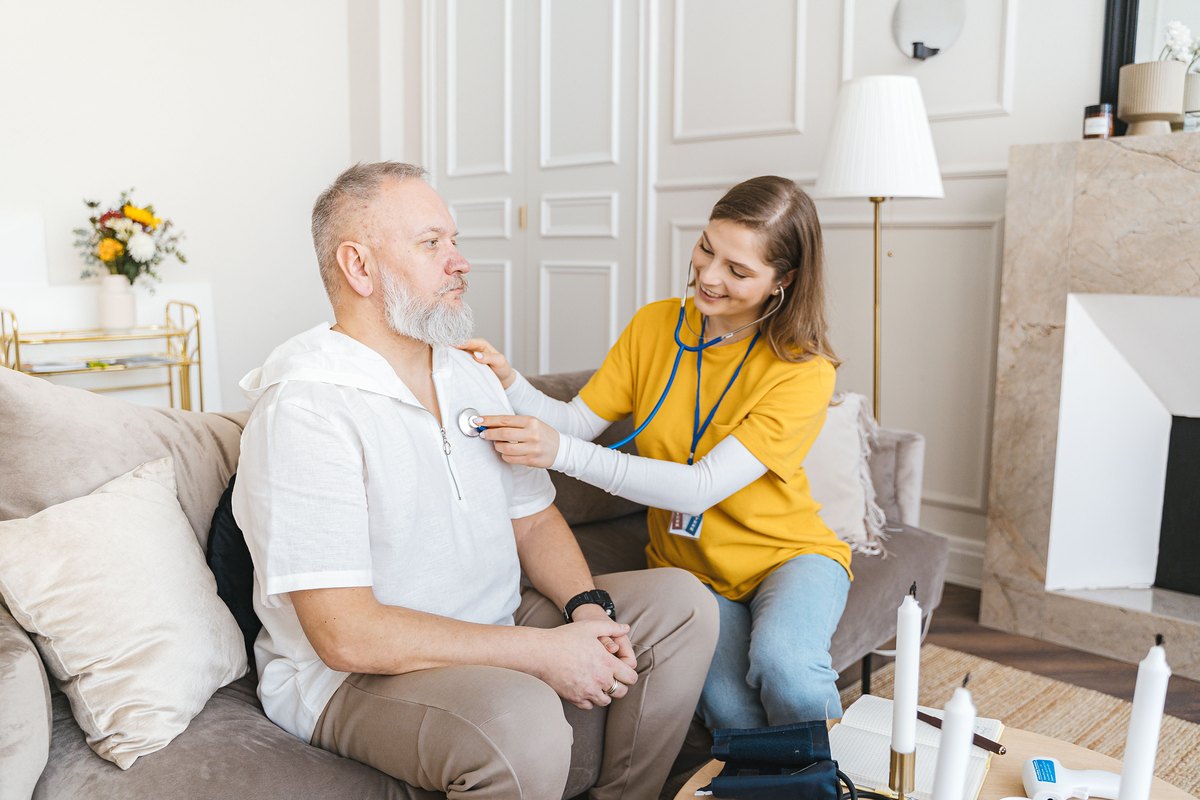
Doctors who treat Parkinson’s hear about hallucinations often, and an early conversation gives your care team more options. Mention any hallucination, even a mild one that doesn’t bother you. Parkinson’s UK advises reporting new or worsening symptoms without waiting for the next appointment. It can help to note what happened, the time of day, and when the last dose was taken.
Don’t stop or change a Parkinson’s medication on your own, even if you suspect it’s the cause. MedlinePlus lists hallucinations among the possible side effects of levodopa, and it warns that stopping levodopa without talking to a doctor could lead to a serious reaction with fever, stiff muscles, and confusion.
Your doctor will often look first for a treatable cause, such as an infection, a sleep problem, or a new medicine, and may then review every medication you take. If a Parkinson’s medication seems to play a part, the doctor may adjust it step by step, since balancing movement control with fewer hallucinations can take time.
When symptoms are distressing or affect safety, ask your doctor whether a medication approved specifically for hallucinations and delusions in Parkinson’s could help. Some medicines used for psychosis in other conditions can worsen movement symptoms, so this choice calls for a doctor with Parkinson’s experience, such as a movement disorder specialist.
Some situations need care right away. Call 911 or go to the nearest emergency room if you notice:
- Risk of harm: The person may hurt themselves or someone else.
- Sudden confusion: The person becomes very confused, very drowsy, or hard to wake.
- Signs of serious illness: Hallucinations come with a high fever or stiff muscles.
Tips for Home

Small changes may make hallucinations less frequent or less upsetting. Ideas to discuss with your care team include:
- Good lighting: Hallucinations are often worse in dim light, so light hallways in the evening and use night lights.
- Less clutter: Coats on hooks or piles in corners are easier to misread in low light.
- A steady routine: Regular times for meals, medications, activity, and sleep may reduce confusion.
- Eye care: Keep glasses clean and up to date, and schedule regular eye exams.
- A calm space: Anxiety may make hallucinations worse. A quiet room or a trusted voice may help.
A Note for Care Partners

If someone you care for has hallucinations, your response can make a big difference. Approaches many care partners find helpful include:
- Stay calm: Speak slowly and gently so the person feels safe.
- Don’t argue: Debating what is real rarely helps. Acknowledge the experience and respond to the feeling, such as fear.
- Reassure and redirect: Let the person know they’re safe, then move to another room, turn on a light, or start a familiar activity.
- Keep the person safe: Watch for signs that a delusion could lead to unsafe actions, such as leaving home at night, and tell the care team.
- Look after yourself: This role can be tiring. Take breaks, accept help, and talk with others who understand.
Speaking Up Is the First Step

Hallucinations can feel isolating, but you don’t have to face them alone. PCLA’s free support groups and care partner support connect you with people who understand, and our Referral Specialist can help you find the right services. We’re here to help you live your absolute best life with Parkinson’s.
This article is for general education only. It does not provide medical advice or replace care from a qualified health professional.
Donate Today,
Change Lives Forever
PCLA is powered by generous contributions from people like you.
Please consider donating today so we can continue to provide critical support to those impacted by Parkinson’s.
