
Parkinson’s vs. Essential Tremor: What’s the Difference?
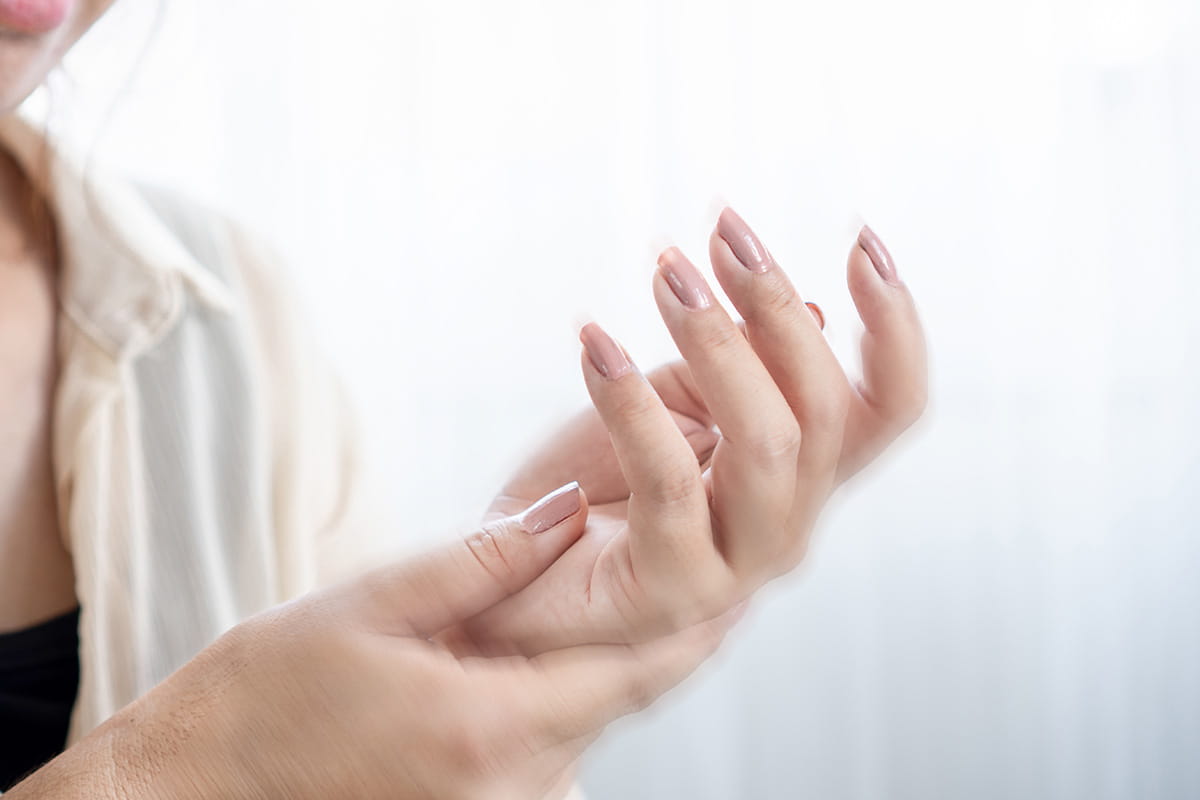
Tremor is one of the best-known signs of Parkinson’s disease. Yet a tremor does not always mean Parkinson’s. Essential tremor is a separate neurological condition that can look similar at first.
The clearest general difference is when the shaking appears. Essential tremor is usually most noticeable during movement or while holding a position. A Parkinson’s tremor is often strongest at rest and may start on one side. These patterns are useful clues, but they are not a diagnosis.
What Is Essential Tremor?

Essential tremor, often shortened to ET, is a neurological movement disorder. Its main feature is an action tremor. The shaking may appear when a person holds the arms out or reaches for something.
Under the current International Parkinson and Movement Disorder Society description, classic essential tremor involves both upper limbs and lasts at least three years. It does not include other neurological signs such as ataxia, dystonia, or parkinsonism. Tremor may also affect the head or voice.
Essential tremor can begin at many ages. It may run in families, although family history is not required. Symptoms often change over time. The condition can have a major effect on daily life even though it is distinct from Parkinson’s.
What Is the Main Difference Between Parkinson’s and Essential Tremor?
Essential tremor mainly causes rhythmic shaking during action. It often affects the hands when a person writes, eats, or holds an object. Head or voice tremor can also occur.
Parkinson’s disease affects movement in a broader way. Doctors look for slowness of movement, also called bradykinesia. They also look for stiffness or a resting tremor. Changes in walking may develop as the condition progresses.
The Parkinson’s Foundation overview of tremor explains that a resting tremor is common in Parkinson’s. It also notes that action tremor can occur. This overlap is one reason an exam is important.
Parkinson’s Tremor vs. Essential Tremor at a Glance
This table shows common patterns, not rules. A clinical review on distinguishing ET from PD describes several areas of overlap. For example, some people with Parkinson’s have action tremor. Some people with long-standing ET develop tremor at rest.
Does Essential Tremor Turn Into Parkinson’s?

Essential tremor and Parkinson’s are different conditions. Having ET does not mean that a person will develop Parkinson’s. Some people can have both.
Researchers continue to study whether there is a relationship between the two conditions. The evidence is not settled. A review in Tremor and Other Hyperkinetic Movements describes the open questions around shared risk. It does not show that ET will turn into Parkinson’s.
Are Parkinson’s and Essential Tremor Treated the Same Way?
No. The conditions have different features, so health professionals may use different approaches. Care may focus on symptoms and their effect on daily life. It may involve medication or rehabilitation services. A procedure may be considered in some cases.
The right approach depends on the diagnosis and the person’s health. Treatment questions should always be discussed with a qualified health professional. For a deeper clinical overview of ET, see this review in The BMJ.
Finding Clear Information and Community Support

Not knowing what a tremor means can feel unsettling. You do not have to sort through the questions alone.
If you are concerned about symptoms, please speak with a qualified health professional. PCLA cannot diagnose a condition, but we can help people affected by Parkinson’s find connection and reliable information.
Explore PCLA’s resources for people living with Parkinson’s. You can also connect with our Referral Specialist or find a free PCLA support group. If a diagnosis is recent, our newly diagnosed support is a welcoming place to begin.
This article is for general education only. It does not provide medical advice or replace care from a qualified health professional.
Done hoy,
cambiará vidas para siempre
PCLA funciona gracias a las generosas contribuciones de personas como usted.
Por favor, considere la posibilidad de donar hoy para que podamos seguir proporcionando apoyo crítico a los afectados por el Parkinson.
