
The Top 10 Board Games for People with Parkinson’s

For people living with Parkinson’s disease, a good board game can encourage focus, support fine motor engagement, stimulate memory and planning skills, and create moments of connection.
Research and clinical observations continue to show that mentally engaging activities, such as puzzles, may support cognitive function and emotional well-being in people with Parkinson’s. Games that involve strategy, sequencing, pattern recognition, and social interaction can offer gentle but meaningful mental exercise.
That said, not every board game is a good fit. Tiny pieces, frantic time limits, complicated rulebooks, and physically demanding gameplay can quickly turn something enjoyable into something exhausting. The best options tend to balance mental stimulation with accessibility.
These are ten standout board games worth considering.
1. Ticket to Ride
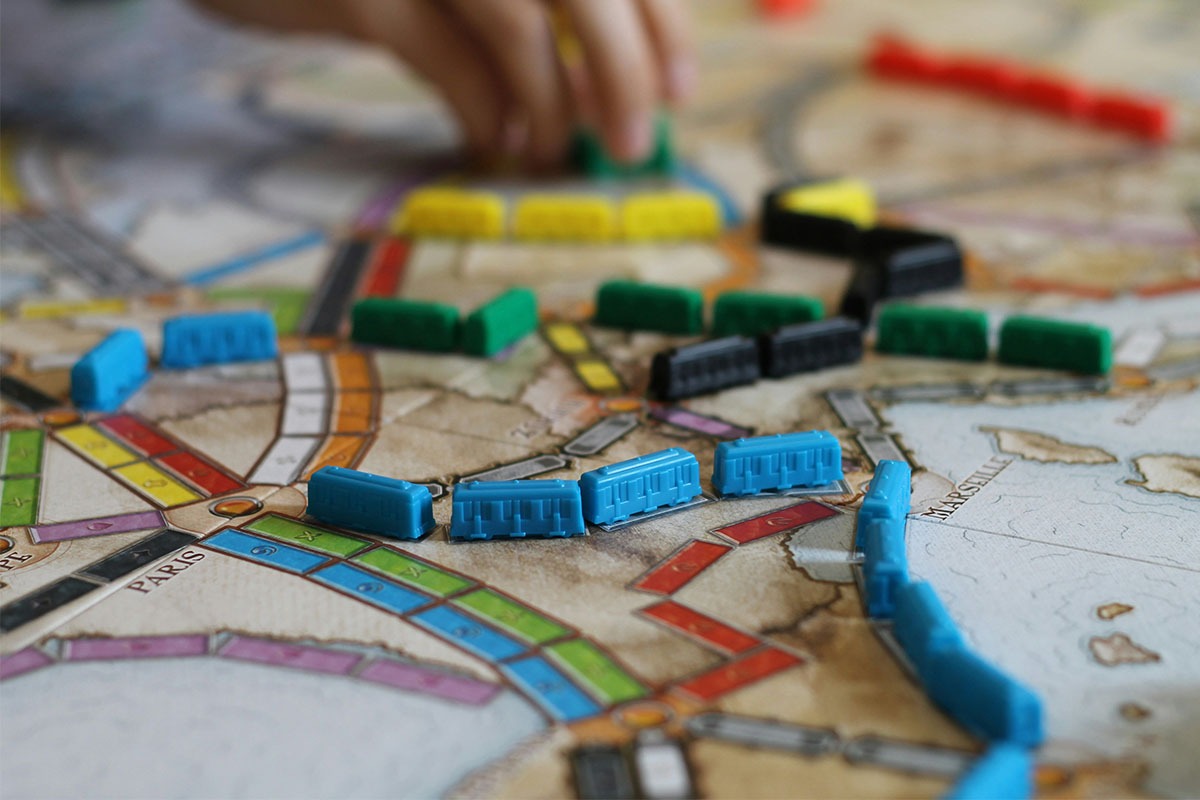
Few modern board games hit the sweet spot like Ticket to Ride. Players collect colored train cards and use them to build railway routes across a map.
The rules are straightforward enough for newer players, but there is still plenty of strategy involved. The pace is relaxed, turns are simple, and the game does not require quick reactions. Larger train pieces are also easier to handle than tiny tokens found in many strategy games.
Why it works well:
- Encourages planning and sequencing
- Easy-to-read board layout
- Minimal time pressure
- Social without being overly competitive
2. Azul
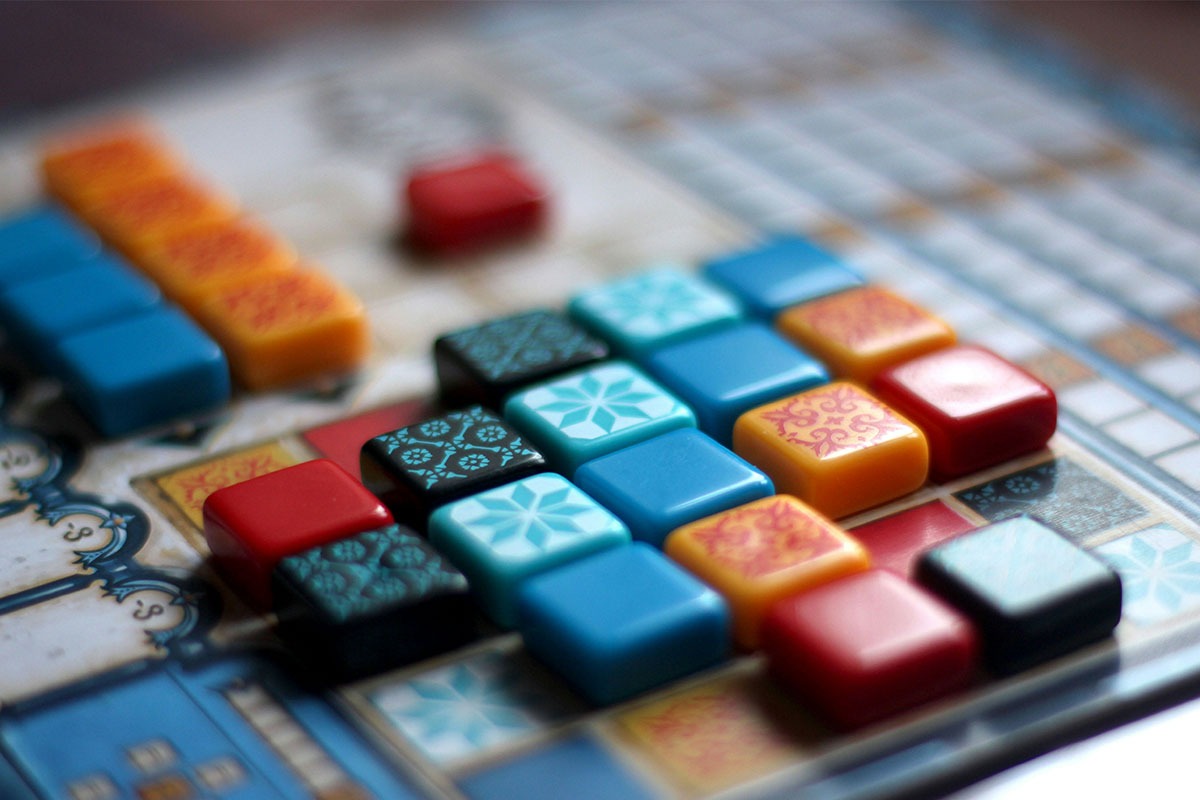
Azul has become one of the most highly recommended modern board games for adults seeking calm yet satisfying gameplay. Players draft colorful tiles and arrange them into patterns to score points.
The tactile element is part of the appeal. The chunky tiles feel satisfying in the hand, and the game rewards visual organization and pattern recognition rather than speed.
Accessibility-focused reviewers have praised Azul for being cognitively approachable while still offering strategic depth.
Why it works well:
- Beautiful, high-contrast components
- Encourages focus and visual planning
- No fast reflexes required
- Short learning curve
3. Chess

Chess remains one of the strongest classic choices for cognitive engagement. Strategic thinking, memory, planning ahead, and concentration are all exercised during play.
For people with Parkinson’s who enjoy analytical challenges, chess can be deeply rewarding. Chess is beneficial because it stimulates problem-solving and sustained attention.
Why it works well:
- Supports executive function
- Flexible pacing
- Familiar to many older adults
- Can be played casually or competitively
Adaptation options:
- Use larger weighted pieces
- Play on digital boards with touchscreens
- Reduce time pressure by avoiding chess clocks
4. Scrabble
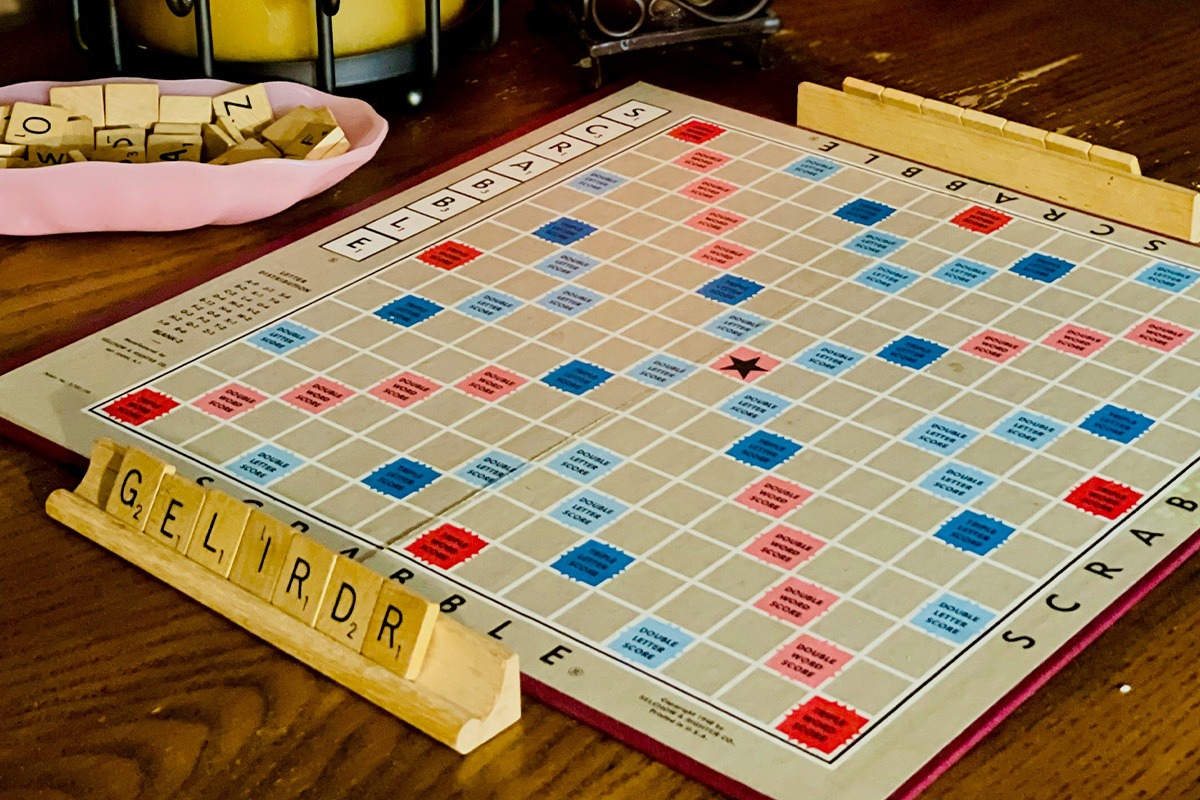
Although technically a word game, Scrabble still belongs firmly in the board game category and remains one of the best options for language-based mental stimulation.
Word retrieval, spelling, vocabulary recall, and strategic placement all come into play. It can also spark storytelling and conversation naturally between turns.
Language-focused games can help keep conversations active and engaging, especially in group settings.
Why it works well:
- Exercises memory and language skills
- Flexible pacing
- Can be modified for different skill levels
- Encourages social interaction
5. Pandemic
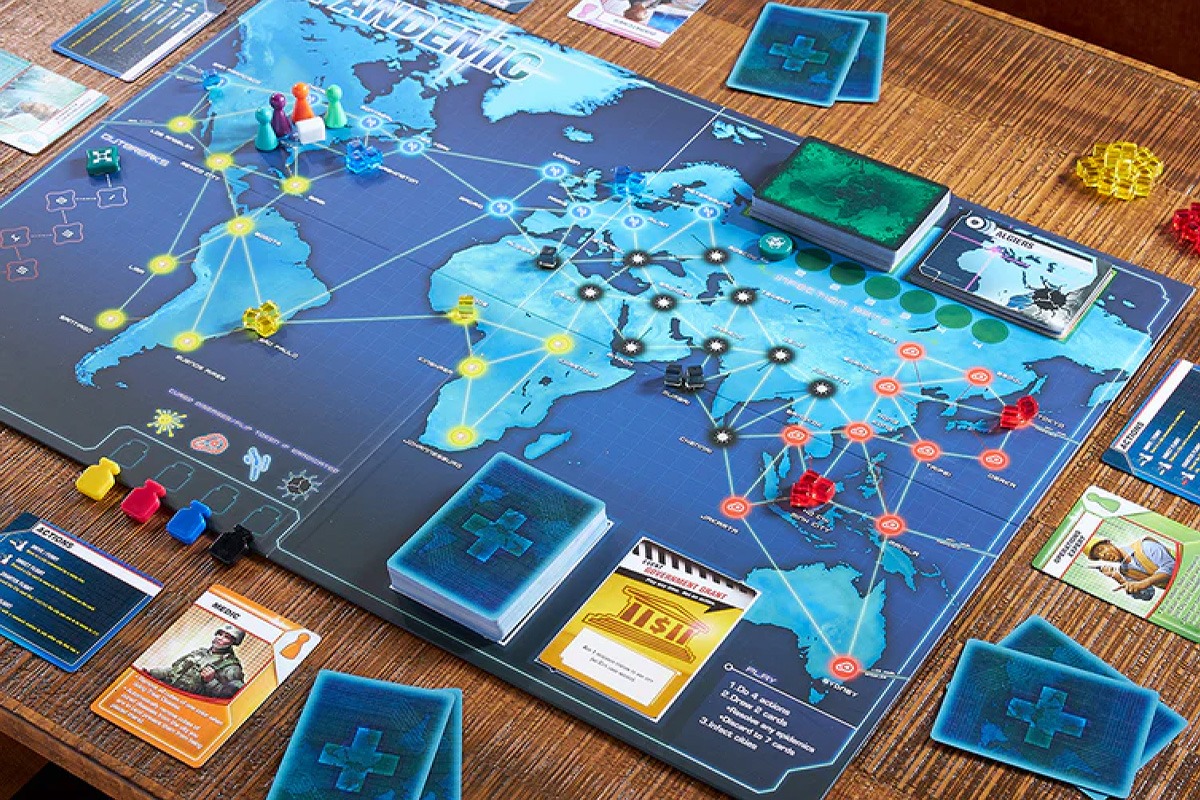
Photo credit: asmodee
Unlike many competitive board games, Pandemic is cooperative. Everyone works together to stop outbreaks around the world rather than competing against each other.
That cooperative structure can reduce stress and frustration. Players discuss strategies openly, help one another make decisions, and share responsibility throughout the game.
Why it works well:
- Encourages communication
- Shared decision-making reduces pressure
- Strong cognitive engagement
- Creates a collaborative atmosphere
6. Checkers
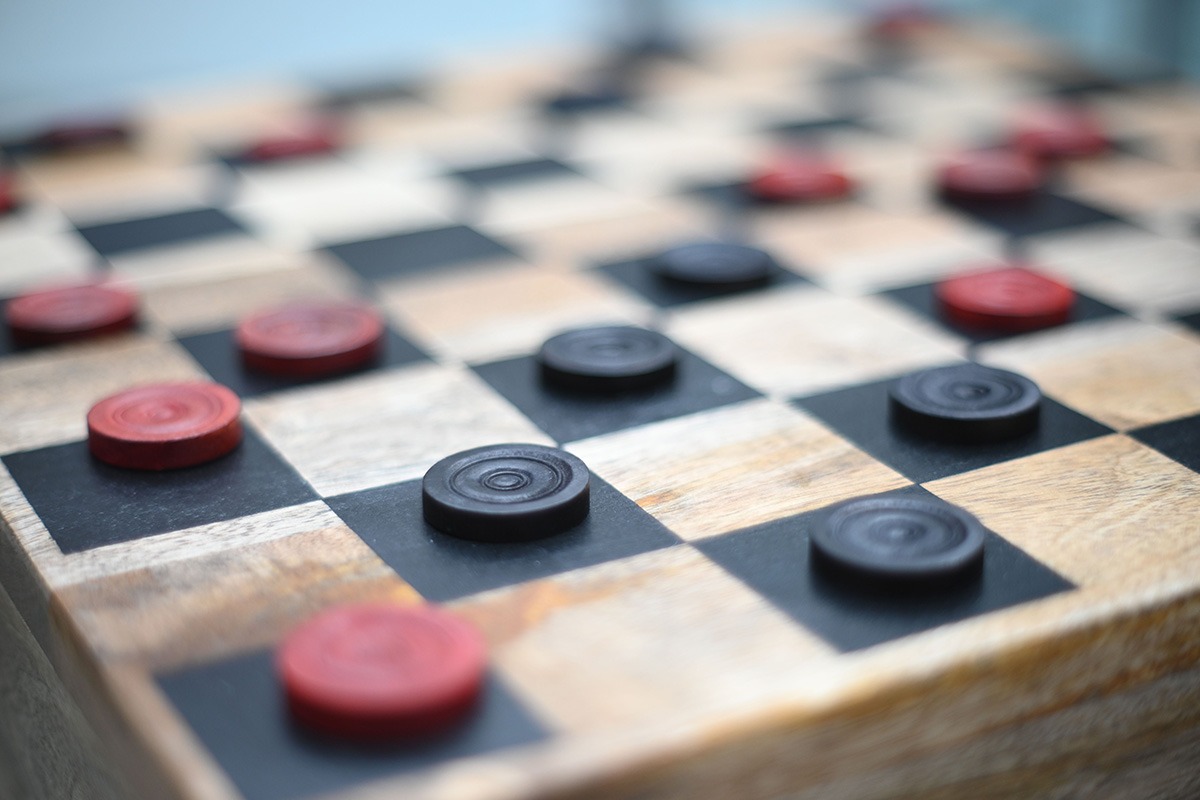
Checkers deserves more credit than it gets. It is simple to learn, visually clear, and still requires planning and concentration.
For people who may find chess too mentally demanding on certain days, checkers can provide a gentler alternative while still keeping the brain engaged.
Large checker sets are also widely available and easier to manipulate for people dealing with tremor or stiffness.
Why it works well:
- Simple rules
- Low setup complexity
- Good for short play sessions
- Easier physically than many modern games
7. Carcassonne
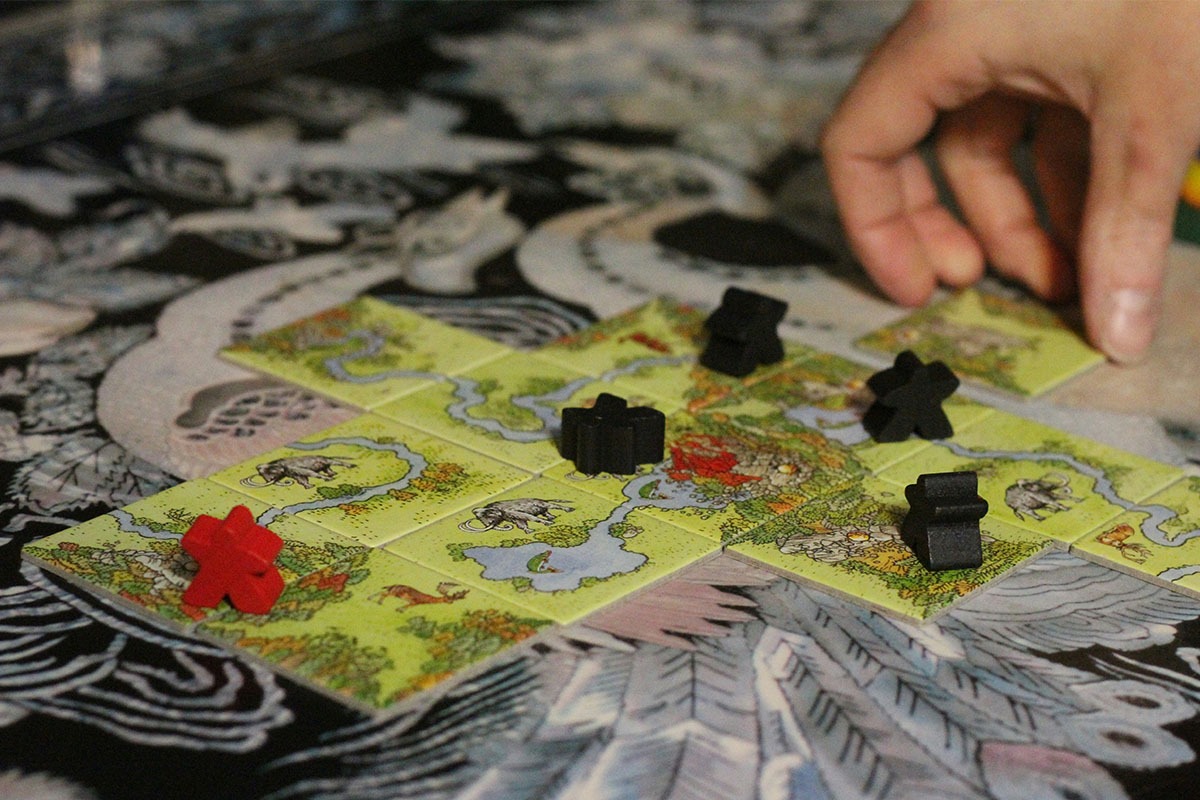
In Carcassonne, players place tiles to build roads, cities, and landscapes together on the table. The board gradually grows as the game progresses, which gives it a relaxed, creative feel.
The gameplay encourages spatial reasoning and forward thinking, but without overwhelming players with complicated mechanics.
The turn structure is consistent and predictable, which many people appreciate when cognitive fatigue is present.
Why it works well:
- Calm pacing
- Strong visual organization
- Encourages planning without overload
- Adaptable for different experience levels
8. Qwirkle
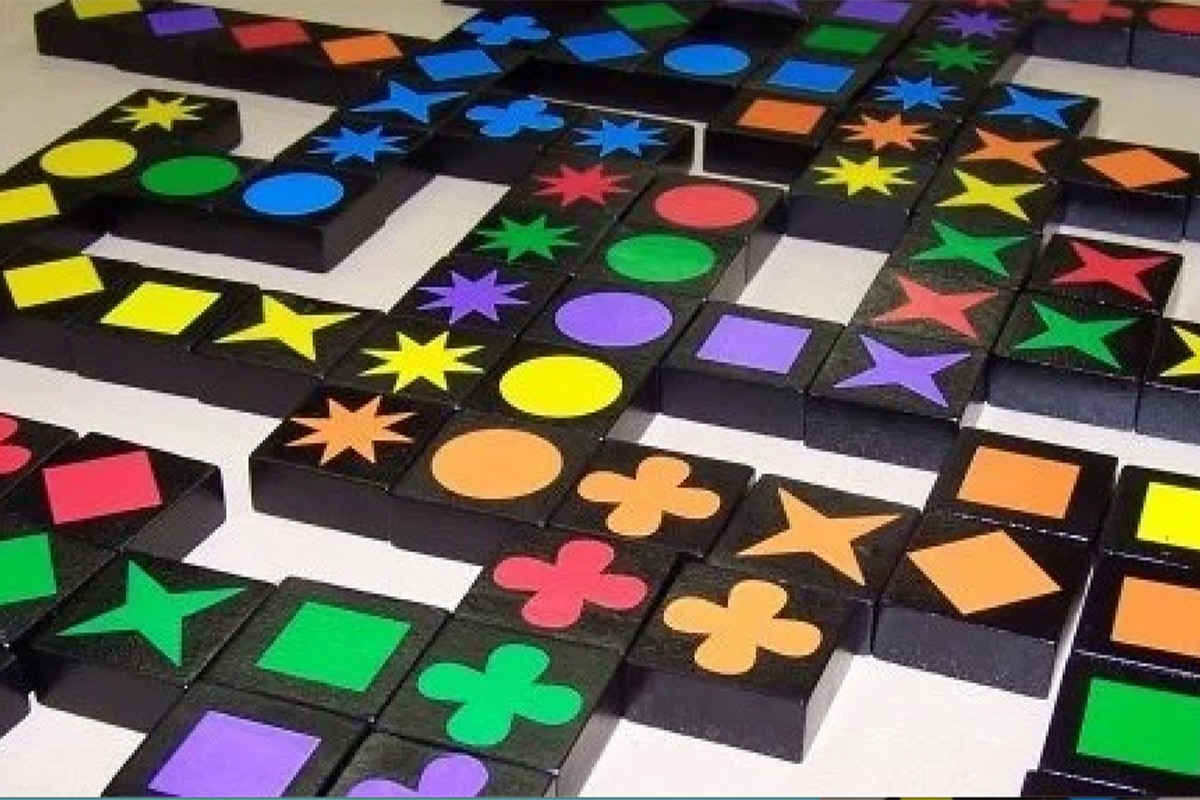
Photo credit: Games For Young Minds
Qwirkle combines color matching and pattern building into a game that feels mentally stimulating without becoming exhausting.
Because the pieces are large and tactile, it is often easier for people with dexterity challenges to manage compared to games with cards or tiny tokens.
The rules are also easy to revisit after breaks, which helps if concentration fluctuates.
Why it works well:
- Large pieces are easier to handle
- Encourages pattern recognition
- Low cognitive barrier to entry
- Good for mixed-age groups
9. Wingspan
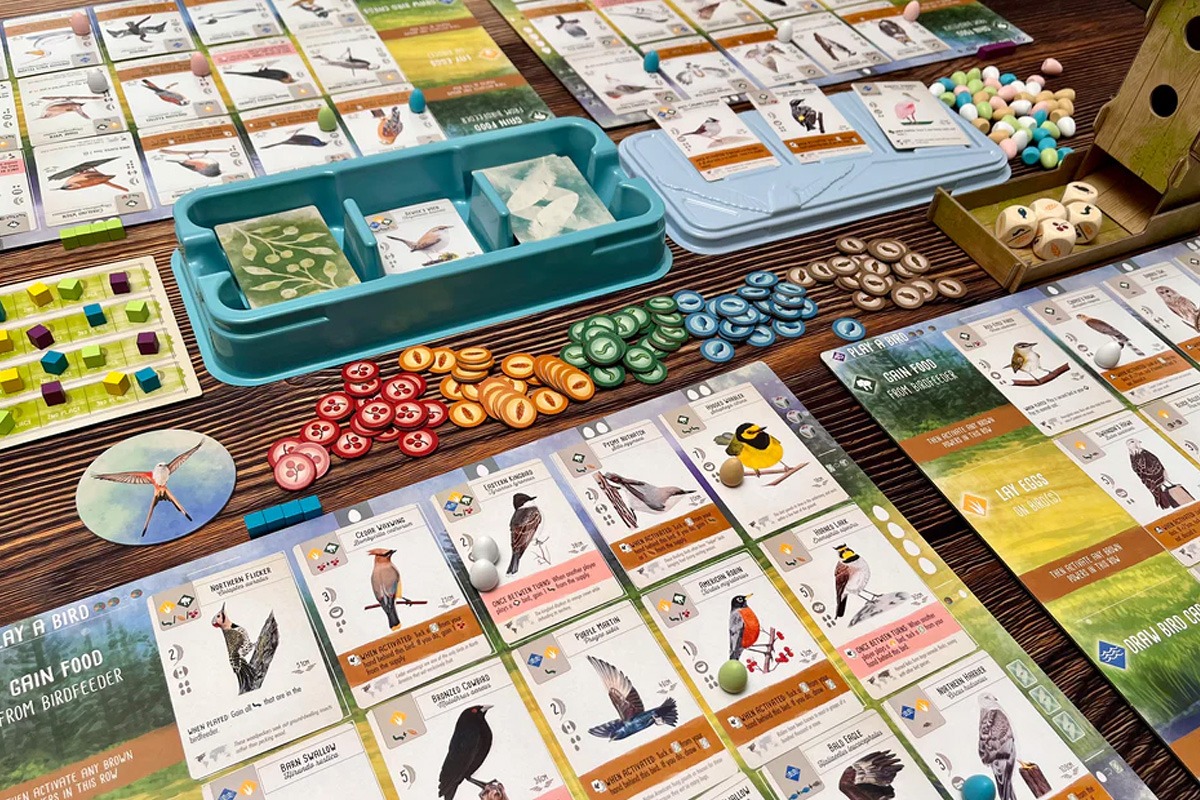
Photo credit: Tabletop Merchant
For players who enjoy nature, birds, and slower-paced strategy games, Wingspan can be a wonderful fit.
The artwork alone makes it relaxing to sit with, and the gameplay encourages organization, sequencing, and gentle strategic thinking. While slightly more complex than some games on this list, many players enjoy its calm atmosphere and thoughtful pace.
Some players may benefit from simplifying certain scoring rules during early games.
Why it works well:
- Relaxing visual design
- Encourages focus and planning
- Immersive without being frantic
- Great for repeat play
10. Sequence
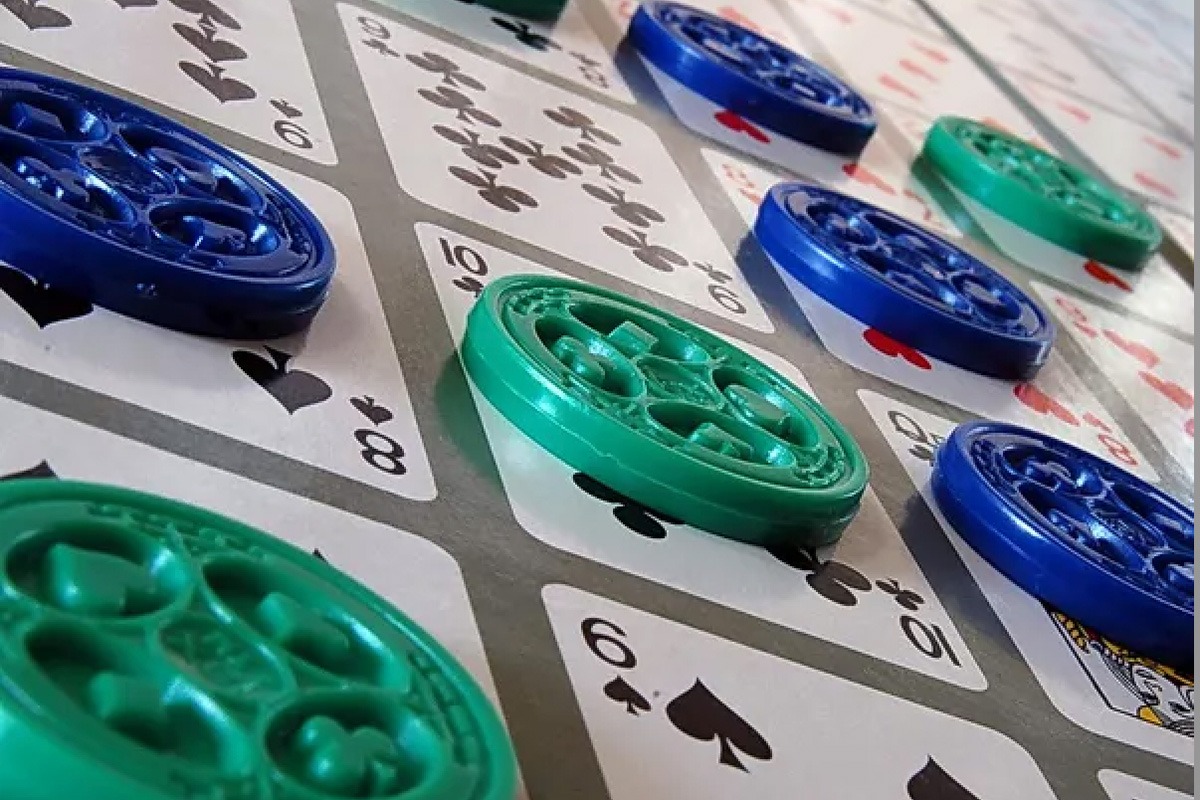
Photo credit: Board Game Geek
Sequence blends board play with simple matching mechanics. Players place chips on a large board while working to complete lines of five.
It tends to be easier to learn than many strategy-heavy games, making it ideal for families, support groups, or mixed experience levels.
The board is visually clear, turns move quickly, and the gameplay feels approachable even for people who do not normally consider themselves “board game people.”
Why it works well:
- Easy to teach
- Encourages visual scanning
- Good social game
- Minimal rules overhead
A Few Features Matter More Than the Game Itself

The best board game for Parkinson’s is not necessarily the most intellectually challenging one. Often, the most successful games are the ones people actually want to return to week after week.
A few helpful things to look for:
- Larger game pieces
- Clear visual contrast
- Flexible pacing
- Shorter turns
- Cooperative play options
- Easy-to-remember rules
Some people also find it helpful to use card holders, non-slip mats, weighted pieces, or tabletop organizers to make gameplay more comfortable.
Energy levels and symptoms can vary significantly from day to day with Parkinson’s. A game that feels perfect one evening may feel tiring another day. Keeping several options available can make game nights more enjoyable and less frustrating.
More Than Entertainment

Games are often discussed as “brain exercises,” but their value goes far beyond cognition alone.
Board games create structure, laughter, routine, conversation, and shared experiences. They encourage participation instead of observation. They give friends and family something enjoyable to focus on together that is not centered around symptoms, appointments, or medical conversations.
For many people living with Parkinson’s, that shift matters just as much as the game itself. If you're not sure which game is best for you, check with your Speech Pathologist or Occupational Therapist. If you’d like to talk to someone about support groups, reach out to us; we’d be happy to help.
오늘 기부하기,
삶을 영원히 바꾸다
PCLA는 여러분과 같은 분들의 아낌없는 기부로 운영됩니다.
파킨슨병으로 영향을 받는 사람들에게 중요한 지원을 계속 제공할 수 있도록 오늘 기부를 고려해 주세요.
