
PCLA at the 2026 World Parkinson Congress: Education, Advocacy, & Community
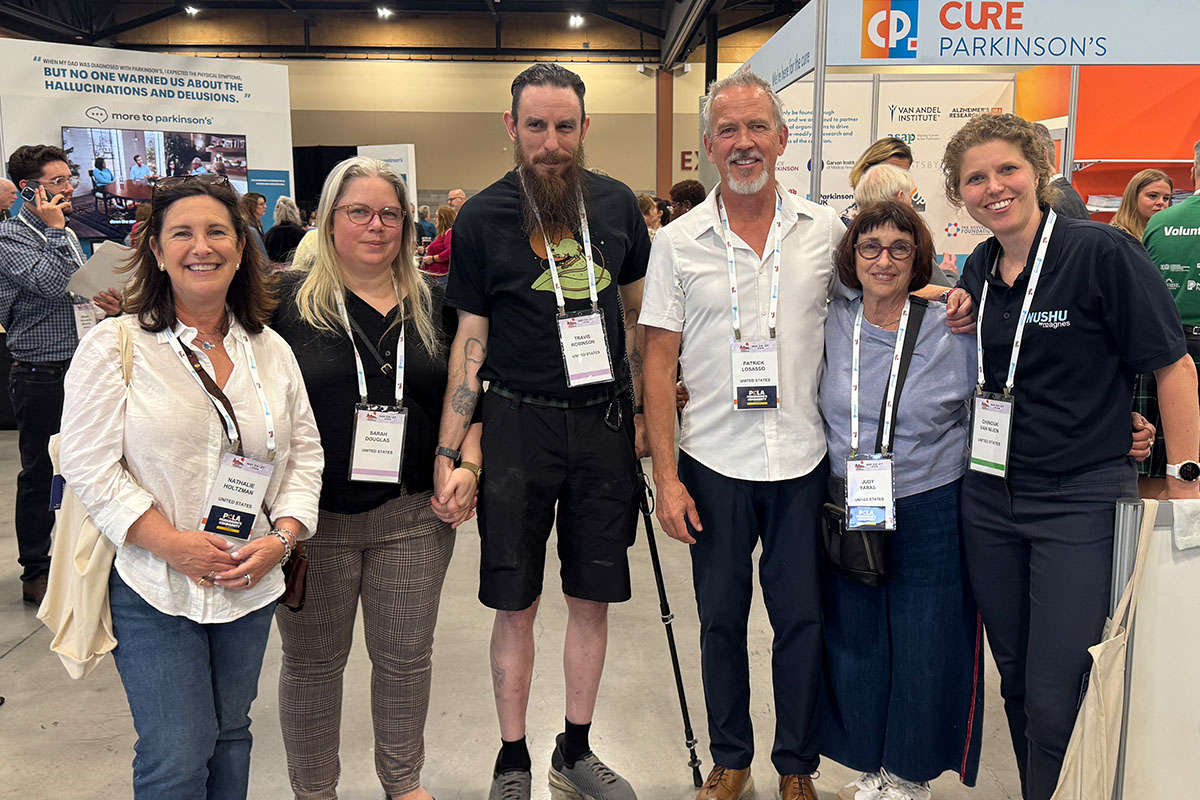
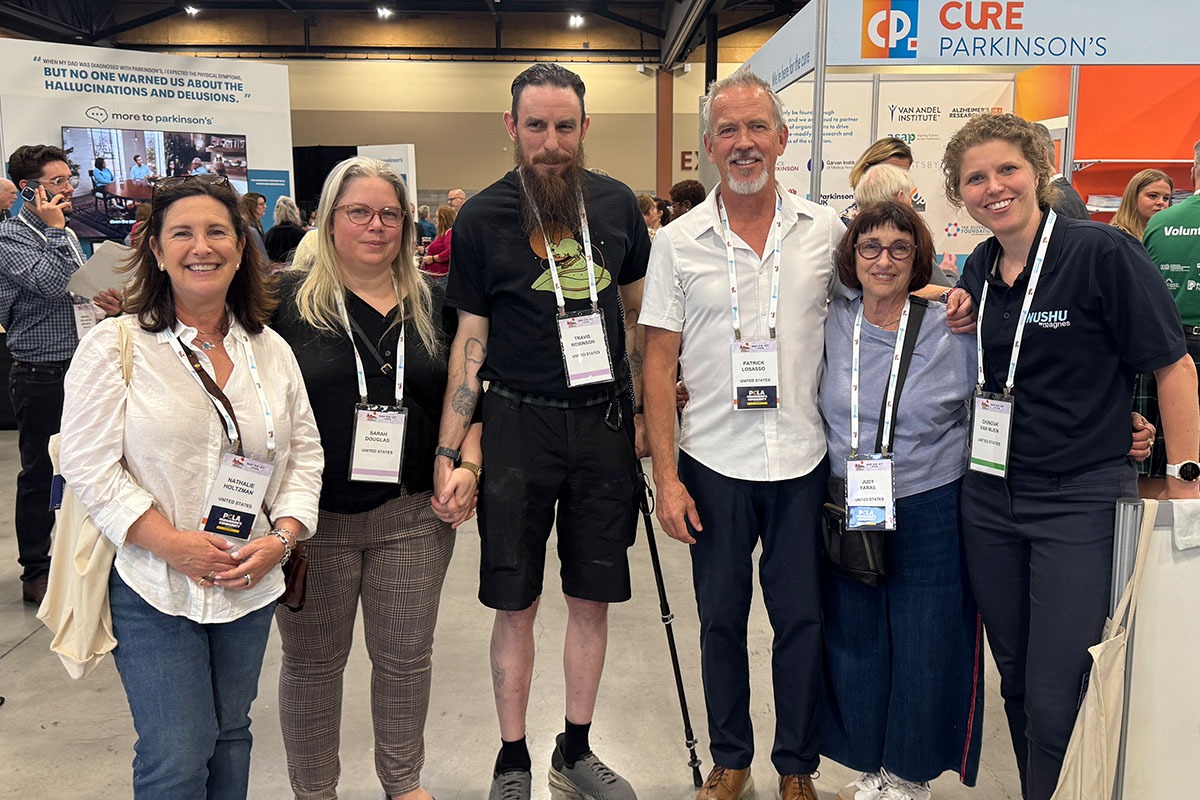
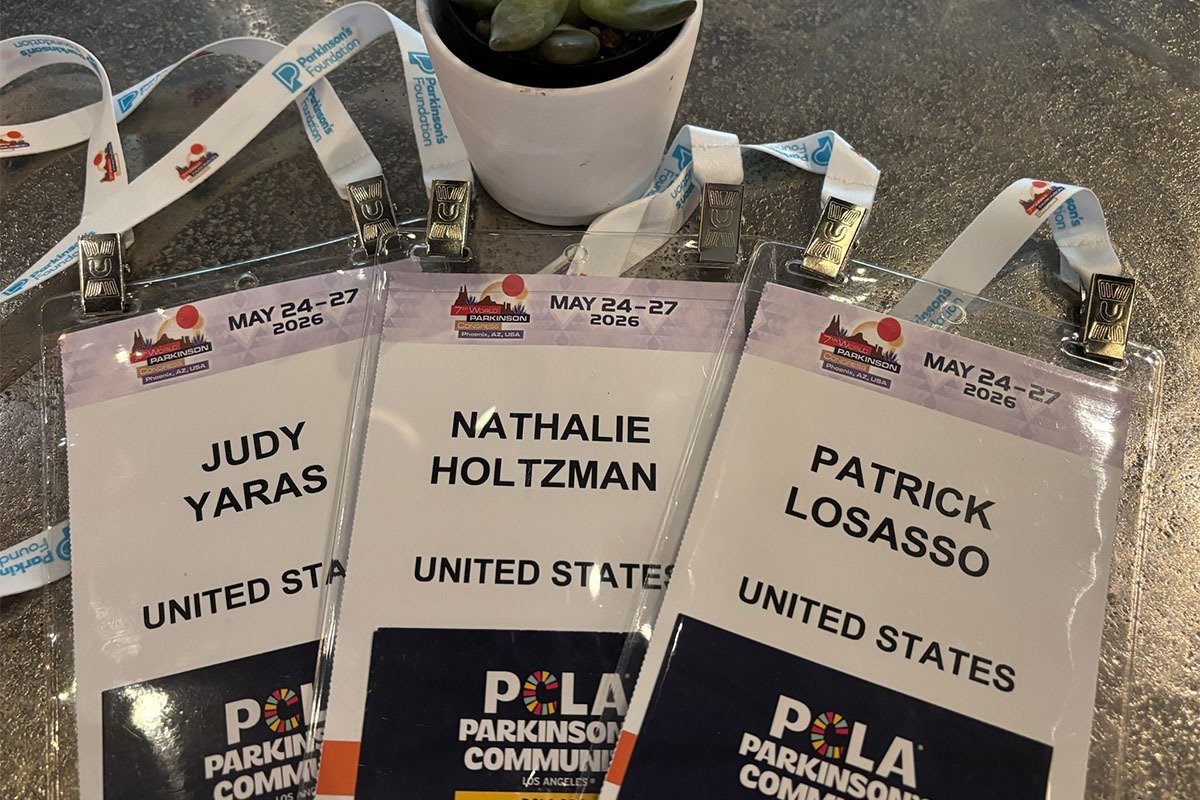
PCLA recently attended the 7th World Parkinson Congress in Phoenix, Arizona, joining people with Parkinson’s, care partners, researchers, clinicians, nonprofit leaders, advocates, artists, and innovators from around the world for several days of education, collaboration, and connection.
Representing PCLA were President Patrick LoSasso, Vice President Judy Yaras, Community Engagement Director Nathalie Holtzman, Board Member Angela Neff, and members of our extended PCLA community, including Travis Robinson, Sarah Douglas, and Kathleen Ryan.
From the moment WPC began, it was clear that this gathering was about much more than research alone. It was a powerful reminder that Parkinson’s is a global issue, and that progress depends on community, advocacy, creativity, access to care, and shared knowledge.
A Global Community Comes Together
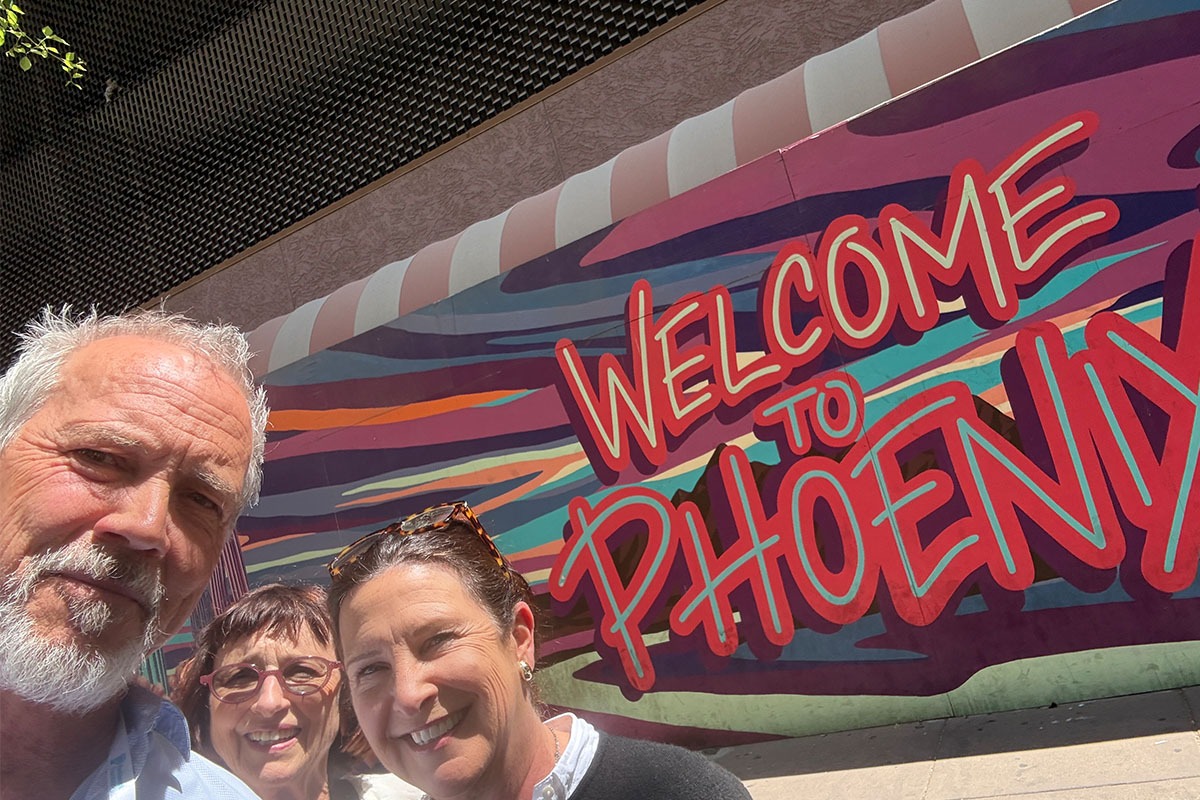
The Welcome Reception set the tone for the days ahead. Hundreds of attendees filled the space, including a strong presence from the Young Onset Parkinson’s disease community. With multiple languages being spoken throughout the room, the global nature of the Parkinson’s community was impossible to miss.
There was a shared sense of energy and purpose as attendees connected with one another, explored the exhibit hall, and began conversations that would continue throughout the Congress.
Learning About the Worldwide Parkinson’s Crisis
One of the most impactful sessions PCLA attended was the policy symposium, “Advancing Policy to Become Parkinson’s Ready,” a global, multi-stakeholder discussion on the policy changes needed to meet the needs of people living with Parkinson’s over the next decade.
The session was both informative and sobering. It highlighted the reality that many people around the world still face significant barriers to care, diagnosis, medication, and basic Parkinson’s education.
In some regions, access to common Parkinson’s medications, including carbidopa/levodopa, remains extremely limited. In others, awareness and understanding of Parkinson’s disease are still lacking.
For PCLA, this reinforced the importance of advocacy at every level. Parkinson’s is not only a medical issue; it is also a public health, policy, education, and access issue.
Science, Research, and the Future of Care
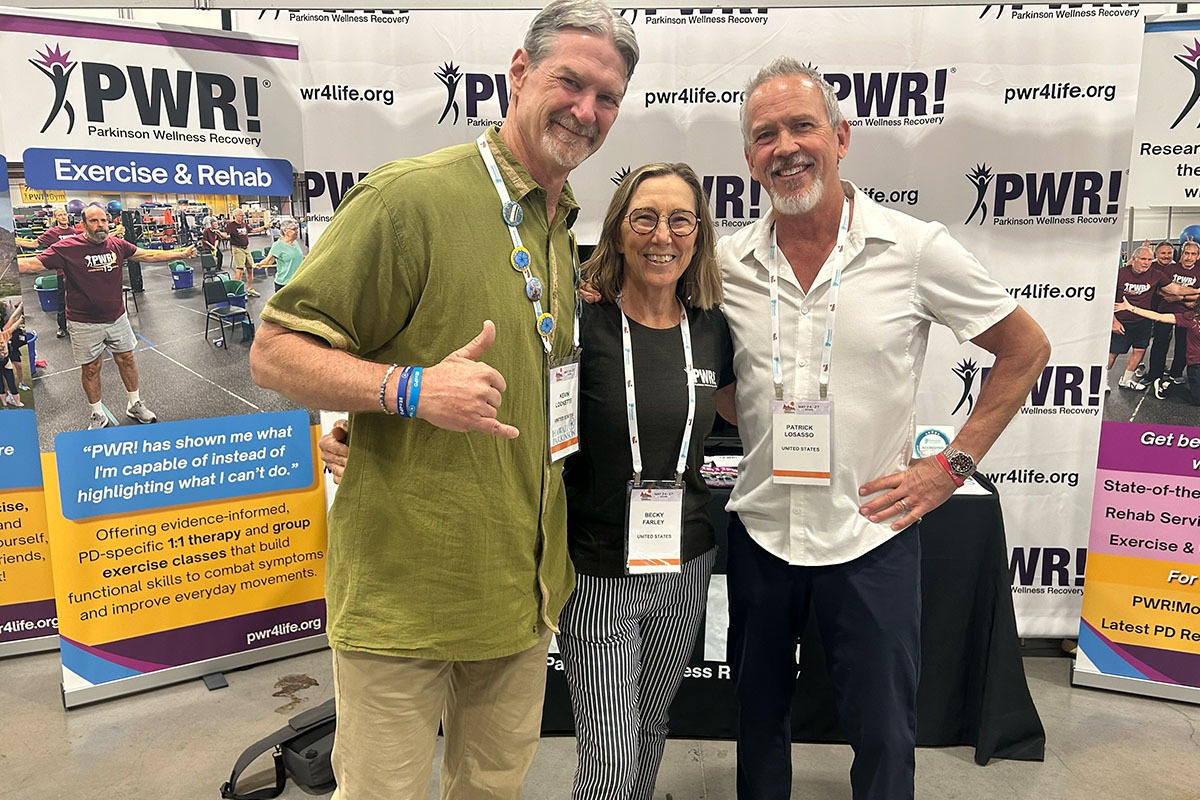
Throughout the Congress, PCLA attended sessions covering a wide range of topics, including fall prevention, disease-modifying therapies, biomarkers, exercise, women and Parkinson’s, cognition, advanced therapies, genetics, and living well with Parkinson’s.
Patrick attended a workshop on falls treatment and prevention, while Judy and Kathleen attended “The Current State of the Disease,” which they described as one of the most powerful presentations of the Congress.
Nathalie attended sessions including “A World Without Parkinson’s” and “Living Well with Parkinson’s,” both of which offered inspiring and thought-provoking perspectives on the future of care and quality of life.
On the final day, Patrick, Judy, and Nathalie attended an excellent presentation on exercise and Parkinson’s disease. Jimmy Choi was a standout speaker, sharing powerful insights into the benefits of exercise, its neurobiological effects, and current evidence-based recommendations for people living with Parkinson’s.
Nathalie also attended “Parkinson’s and Women,” a compelling session featuring speakers from the U.S., Canada, and the U.K., including Kat Hill and Malú G. Tansey, who was recently announced as the next President of the World Parkinson Congress. One message was especially clear: more research is urgently needed to better understand how Parkinson’s affects women. Whether through clinical trials, surveys, advocacy, or education, the Parkinson’s community plays an important role in advancing inclusion and understanding.
Creativity, Art, and Personal Storytelling
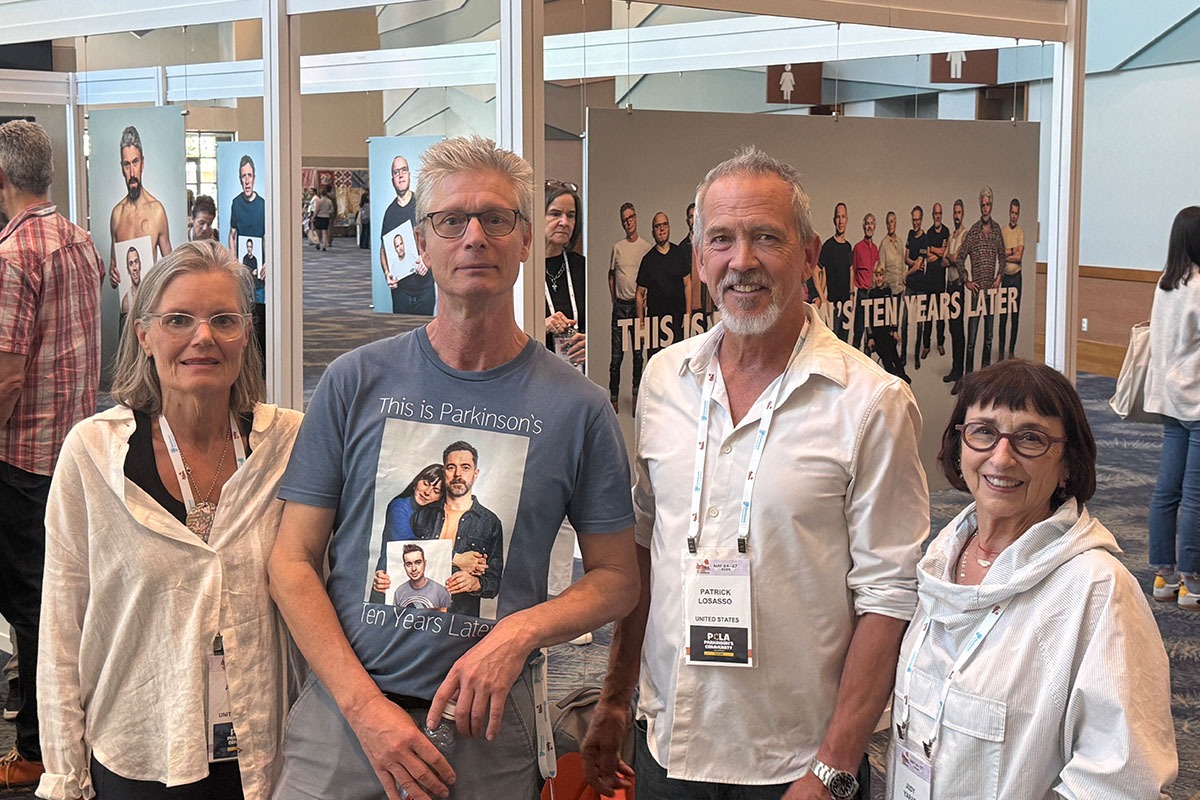
The “This is Parkinson’s: Ten Years Later” exhibition by Anders M. Leines was another powerful highlight. Together, the art exhibitions offered deeply personal and moving perspectives on life with Parkinson’s, reminding attendees that storytelling, creativity, and self-expression are essential parts of this community.
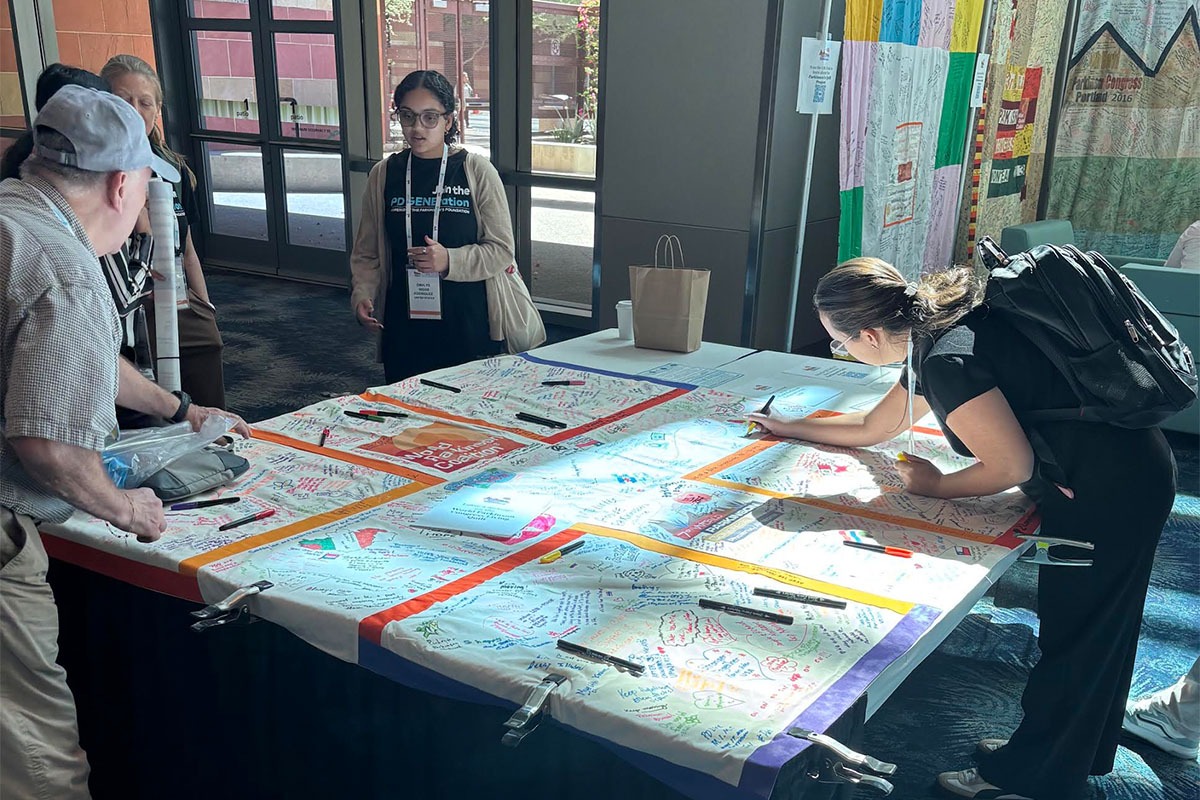
Art and creativity were also central to the WPC experience. PCLA spent time with Christopher Lion, Founder and Executive Director of The Quiver, who coordinated a Parkinson’s-focused art exhibit featuring work from both Travis and Kathleen Ryan. Nathalie also visited the Parkinson’s Quilt Project, where attendees were invited to draw or write messages on the WPC 2026 quilt. It was a meaningful and creative way for participants to leave a lasting mark on the Congress.
Wellness, Connection, and Recharging
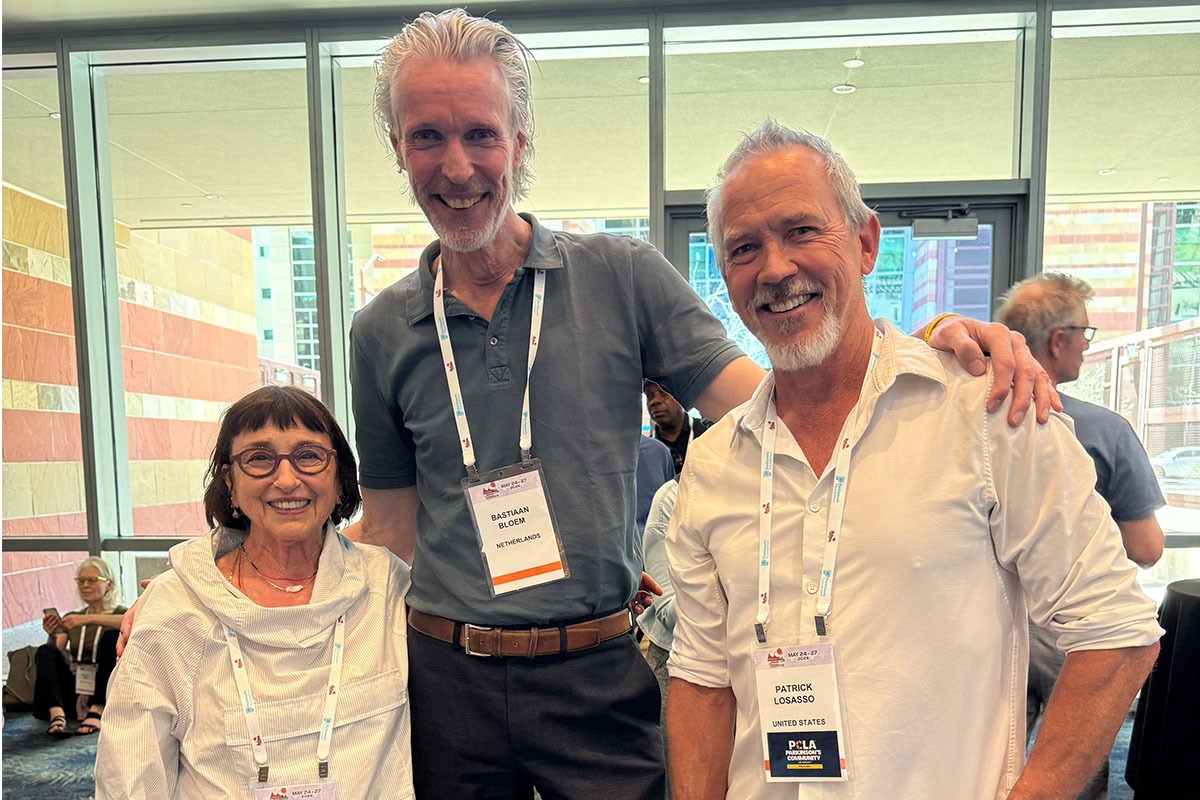
One of the most refreshing parts of WPC was the emphasis on wellness. Alongside scientific sessions and policy discussions, attendees had opportunities to participate in guided meditation, Tai Chi, pickleball, ping-pong, mindfulness, Reiki, massage, and movement-based activities.
Nathalie, Patrick, and Judy all took advantage of the complimentary wellness offerings, including Reiki and chair massages. These moments of rest and restoration were a welcome reminder that caring for the Parkinson’s community also means creating space to recharge.
The team also shared meals and meaningful time with PCLA friends and community members, including Travis, Sara, Kathleen, and new connections made along the way. These moments of laughter, conversation, and reflection were just as important as the formal sessions.
Bringing Ideas Home to PCLA
In between sessions, the PCLA team used their time at WPC to brainstorm new ideas and opportunities for the organization. Conversations focused on future Living Artistically programming, new directions for Thrive with Five, potential Let’s Talk Parkinson’s speakers, and future sponsorship relationships.
PCLA also connected with vendors, pharmaceutical partners, artists, advocates, and leaders from across the Parkinson’s world. These conversations will help strengthen and expand the work PCLA is already doing in Los Angeles and beyond.
Judy and Patrick also met with Dr. Tagliati at his poster presentation about an innovative Cedars-Sinai smartphone platform for Parkinson’s patients, highlighting the growing role of technology in Parkinson’s care.
Advocacy in Action
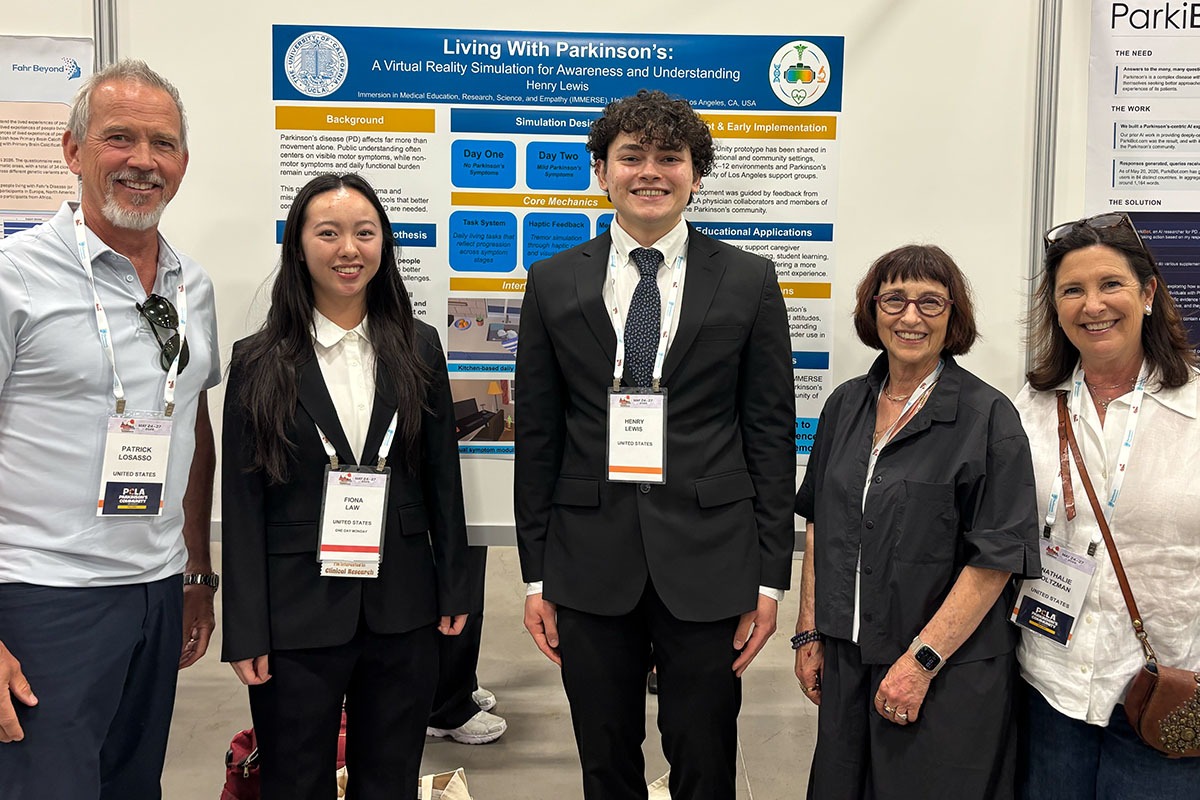
Above are UCLA undergraduate students from H.A.N.D. who were presenting their poster on their newly developed VR software to help people understand what PD feels like.
One of the final moments captured the spirit of PCLA perfectly: while reflecting on an unforgettable experience, Judy was already connecting with a person with Parkinson’s and sharing helpful information about Rytary.
That is PCLA in action.
We are bringing home new knowledge, relationships, and motivation to continue serving the Parkinson’s community in the greater Los Angeles area and beyond.
Done hoy,
cambiará vidas para siempre
PCLA funciona gracias a las generosas contribuciones de personas como usted.
Por favor, considere la posibilidad de donar hoy para que podamos seguir proporcionando apoyo crítico a los afectados por el Parkinson.
