
Pets and Parkinson’s: More Than Companionship

Parkinson’s support can come in many forms: exercise, community, medication, creativity. But one of the most surprising sources of support often has four legs… or fins…or even a shell!
Pets aren’t just companions. For many people with Parkinson’s, they become partners in daily living, helping with movement, mood, and meaning.
The Importance of Pets for People with PD
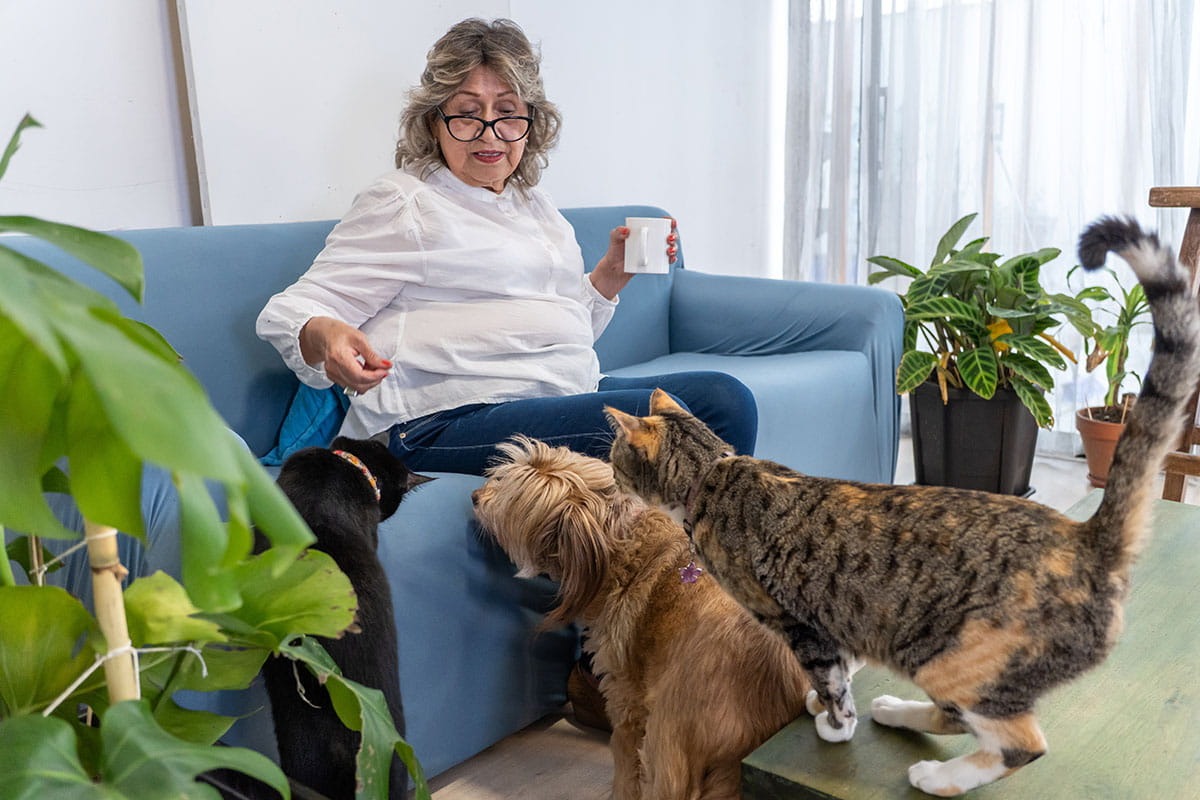
Parkinson’s affects both body and mind. Movement can become slower or more rigid, and non-motor symptoms like anxiety, depression, and isolation are incredibly common. In fact, nearly half of people with Parkinson’s experience depression at some point.
This is where animals can step in.
Research shows that interacting with animals can:
- Boost mood and reduce anxiety and depression
- Increase dopamine and oxytocin (chemicals tied to motivation and connection)
- Encourage physical movement and routine
- Reduce feelings of loneliness and isolation 
Let’s start with the classic pet: dogs.
Parkinson’s and Dogs

Dogs often get the spotlight and for good reason.
They naturally build structure into your day. Walks, feeding, and grooming create rhythm in your day-to-day, which matters in Parkinson’s.
Some dogs are even trained to:
- Provide balance support while walking
- Help interrupt “freezing” episodes
- Retrieve dropped items or medications
- Alert others if a fall occurs 
But even non-service dogs can be powerful. They get you moving, give you a reason to step outside, and pull you into the present moment.
From a social point of view, dogs encourage you to connect with other dog owners, either at a dog park or just a simple walk around the block, keeping you engaged and connected with others.
Parkinson’s and Cats
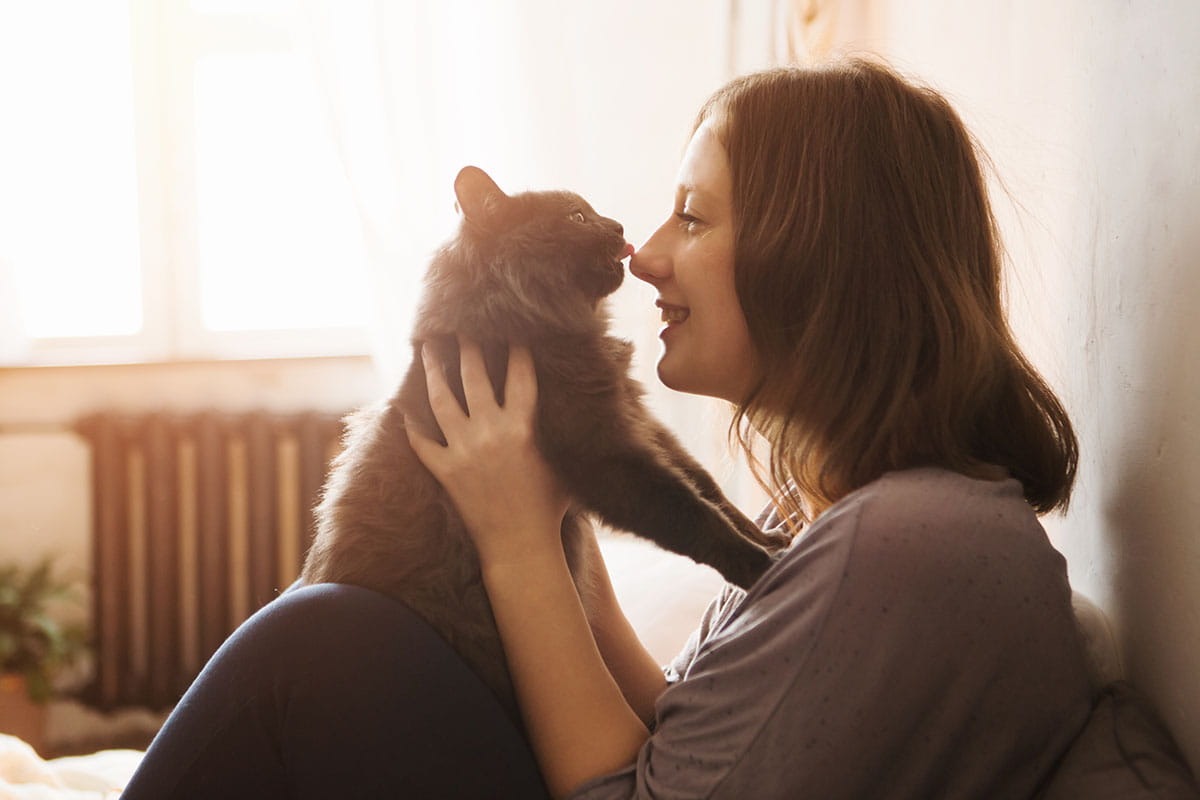
For some, dogs are more work than they can handle. That’s where cats can make a perfect companion.
Cats offer:
- Quiet companionship without physical demands
- A calming presence that can lower stress
- Gentle sensory interaction through touch and purring
For someone dealing with tremor, fatigue, or fluctuating energy, a cat can be the perfect match: present, affectionate, but not demanding.
Parkinson’s and Fish
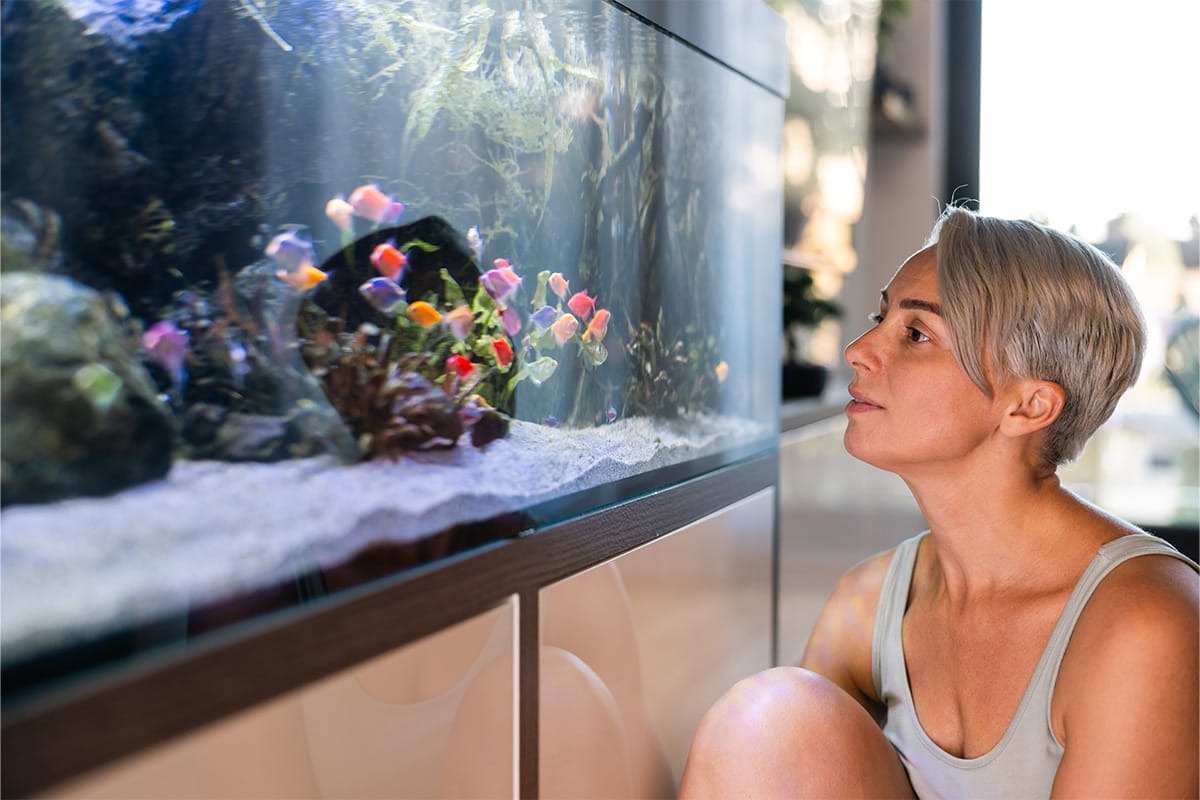
While they’re not cuddly, fish offer something valuable for people with Parkinson’s.
Watching fish swim has been shown to:
- Lower heart rate and reduce stress
- Create a meditative, calming effect
- Provide gentle visual stimulation
Caring for a fish tank also introduces routine: feeding, cleaning, and observing. These small, manageable tasks can bring a sense of responsibility and structure without physical strain.
For many people with Parkinson’s, especially those with mobility challenges, fish are a surprisingly powerful companion.
Parkinson’s and Turtles
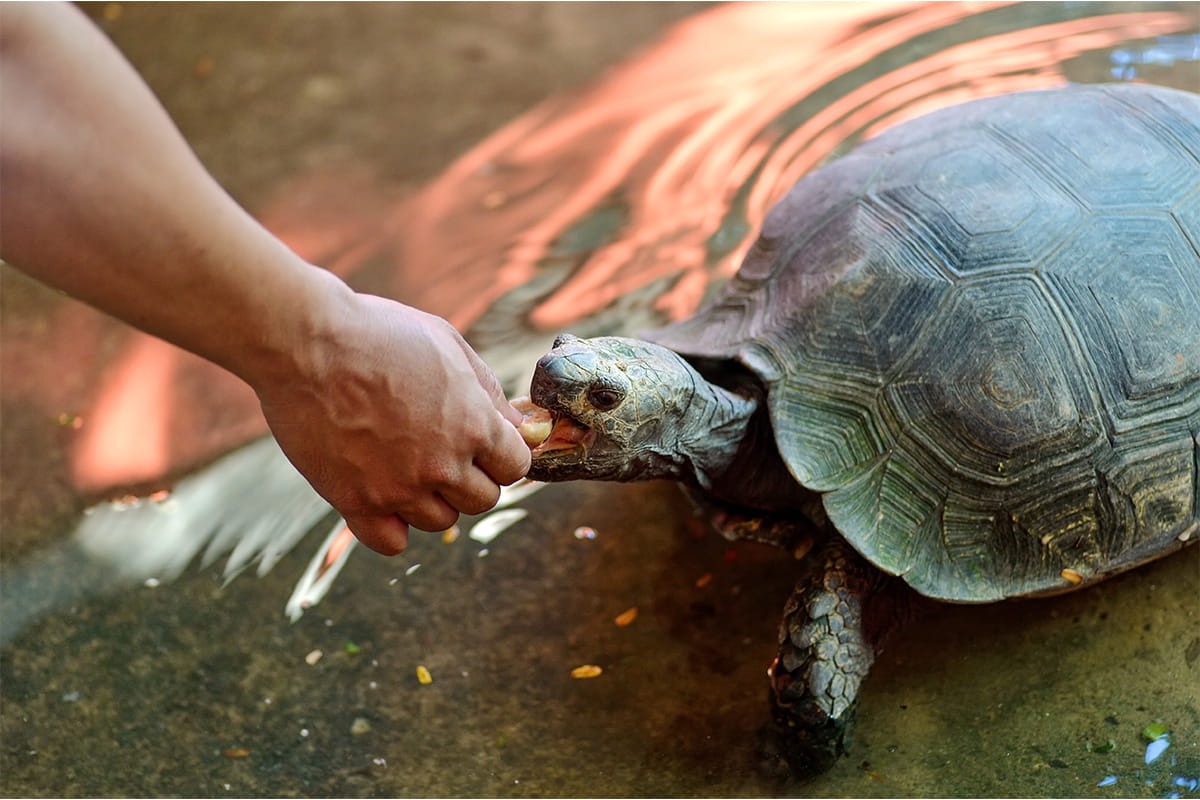
There’s something poetic about turtles in the Parkinson’s journey.
They move slowly, deliberately, and without rush.
Turtles have show to:
- Encourage and celebrate a slower, more mindful pace of life
- Provide companionship without high maintenance
- Offer a sense of connection through long-term care
They’re especially meaningful for people who want a pet that mirrors a gentler rhythm; one that aligns with adapting to life with Parkinson’s, rather than fighting it.
The Emotional Impact of Pets for PWPs
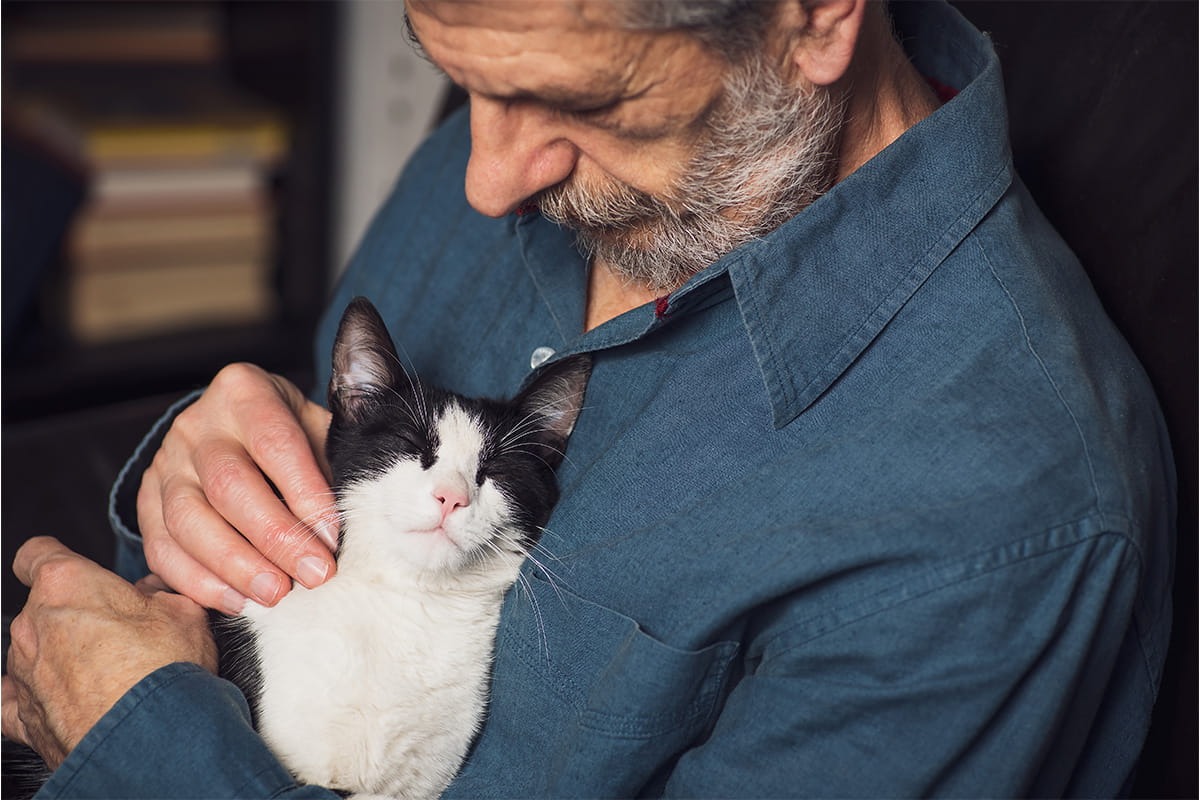
Whether furry, scaled, or shelled, pets can provide great companionship and meaning for those living with Parkinson’s.
They don’t judge and don’t care how fast you move or how steady your hands are. They just show up!
That kind of presence can reduce social isolation and bring about feelings of purpose.
Also, there’s no “best” pet, but here are some things to consider:
- Energy level and mobility
- Living space
- Support system (who helps if needed?)
- Financial and care needs
For some, a service dog is life-changing. For others, a cat on the couch or fish in a tank is exactly enough.
Final Thoughts: More Than a Pet
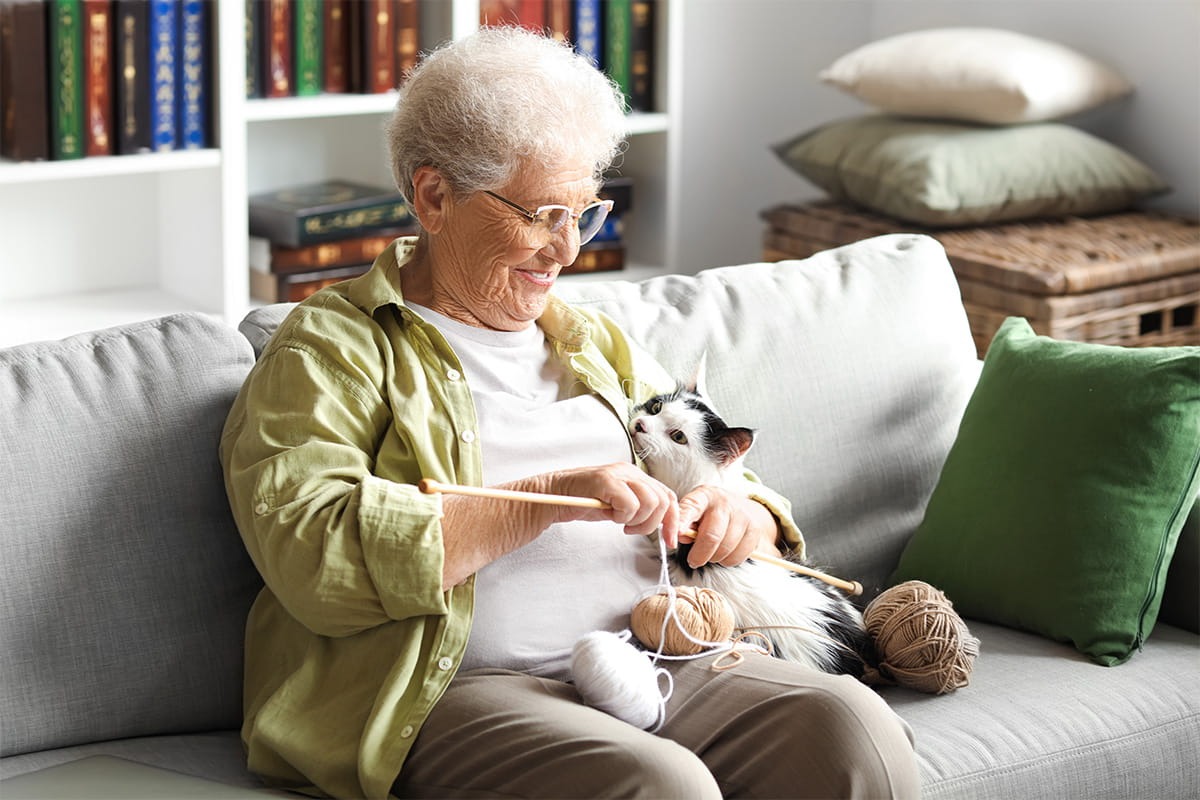
At PCLA, we talk a lot about living your absolute best life. And sometimes, that life includes a companion who walks beside you—literally or figuratively.
A pet won’t replace medical care or community, but on the days when Parkinson’s feels heavy…that quiet, steady companionship can make all the difference.
Done hoy,
cambiará vidas para siempre
PCLA funciona gracias a las generosas contribuciones de personas como usted.
Por favor, considere la posibilidad de donar hoy para que podamos seguir proporcionando apoyo crítico a los afectados por el Parkinson.
