
9 Tips for Avoiding Falls for People with Parkinson’s
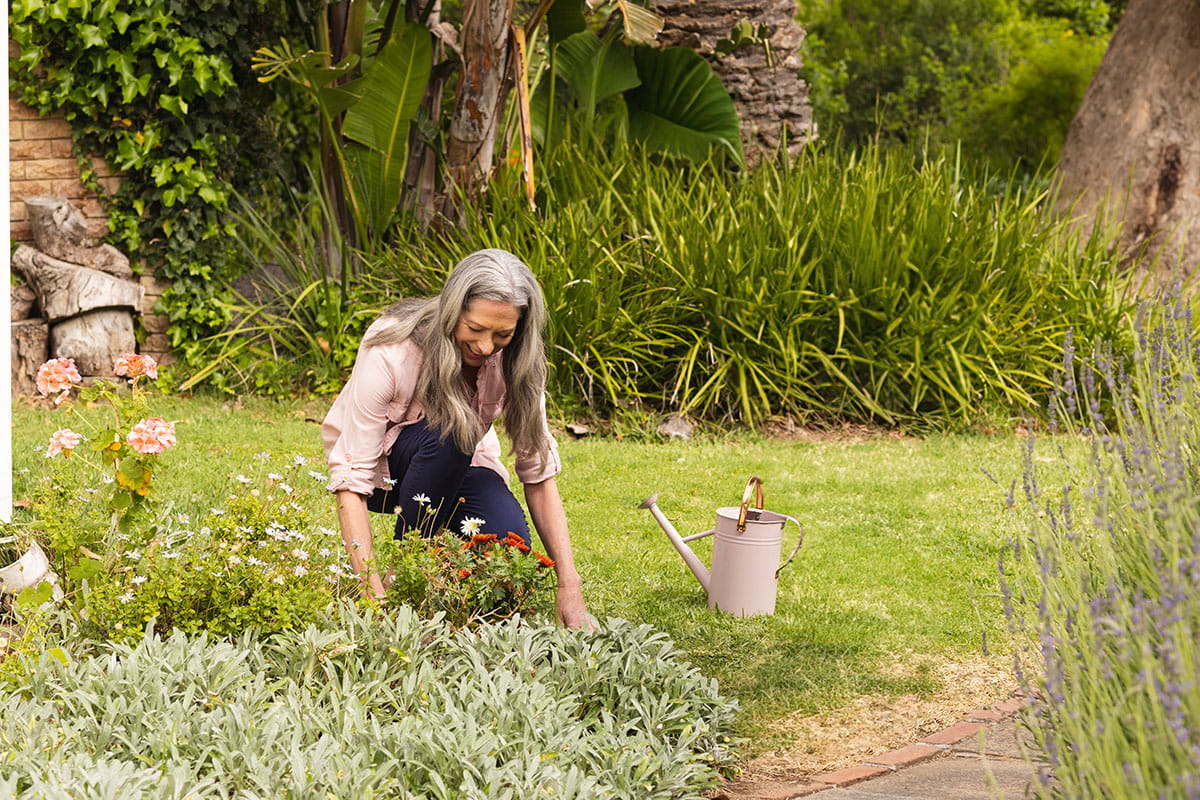
As Parkinson’s disease progresses, postural instability, muscle rigidity, slowed movement (bradykinesia), and freezing of gait can increase the risk of falls.
Preventing falls is a safety concern, but gaining a good grasp of the subject will also help maintain confidence, independence, and quality of life.
The good news? There are proactive steps you and your loved ones can take to strengthen balance and reduce fall risk.
1. Work with a Parkinson’s-Trained Physical or Occupational Therapist
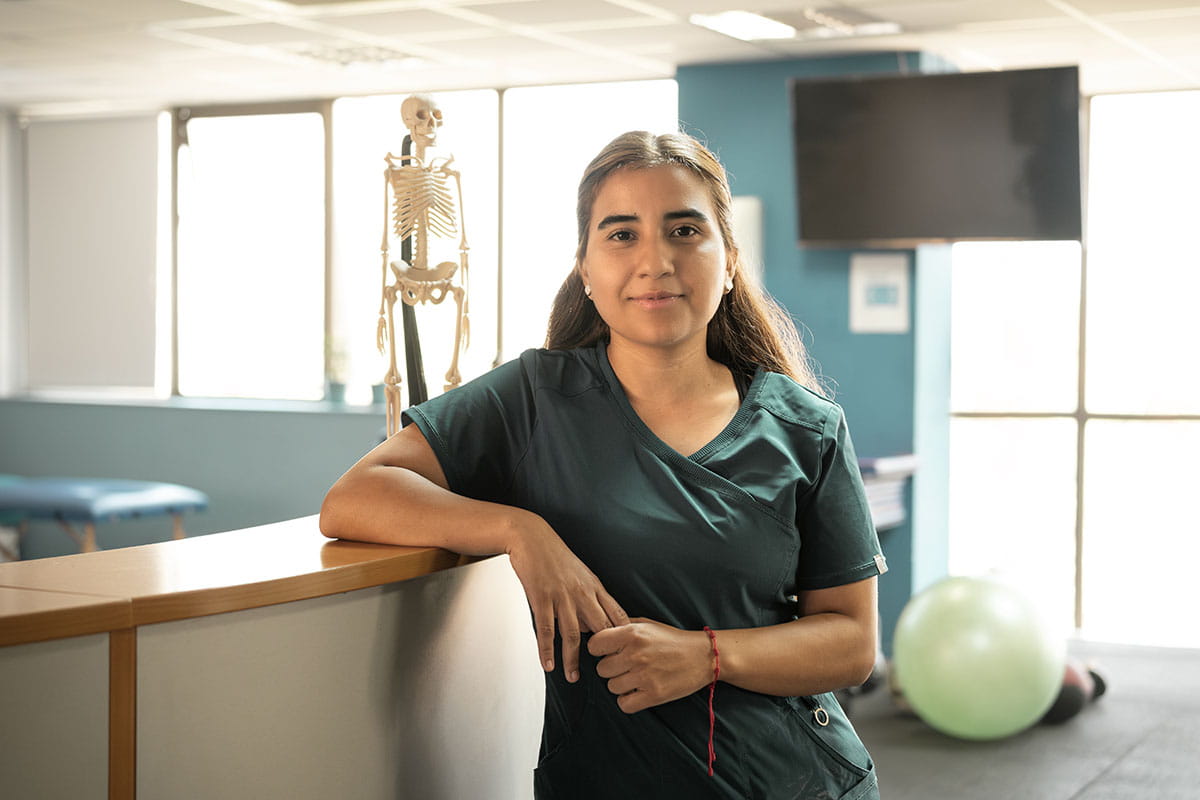
A therapist trained in neurological conditions can:
- Improve stride length
- Strengthen postural muscles
- Train safe turning techniques
- Teach freezing “reset” strategies
2. Practice Large, Intentional Movements

Parkinson’s often causes movements to become smaller and slower. Programs like LSVT BIG focus on exaggerated, large-amplitude movements to retrain the brain.
Think big steps, big arm swings, and standing tall. Check out PCLA’s Exercise playlist on YouTube to get moving!
Also, small changes in daily movement patterns can reduce shuffling — one of the biggest fall risks.
3. Strengthen the Core and Lower Body
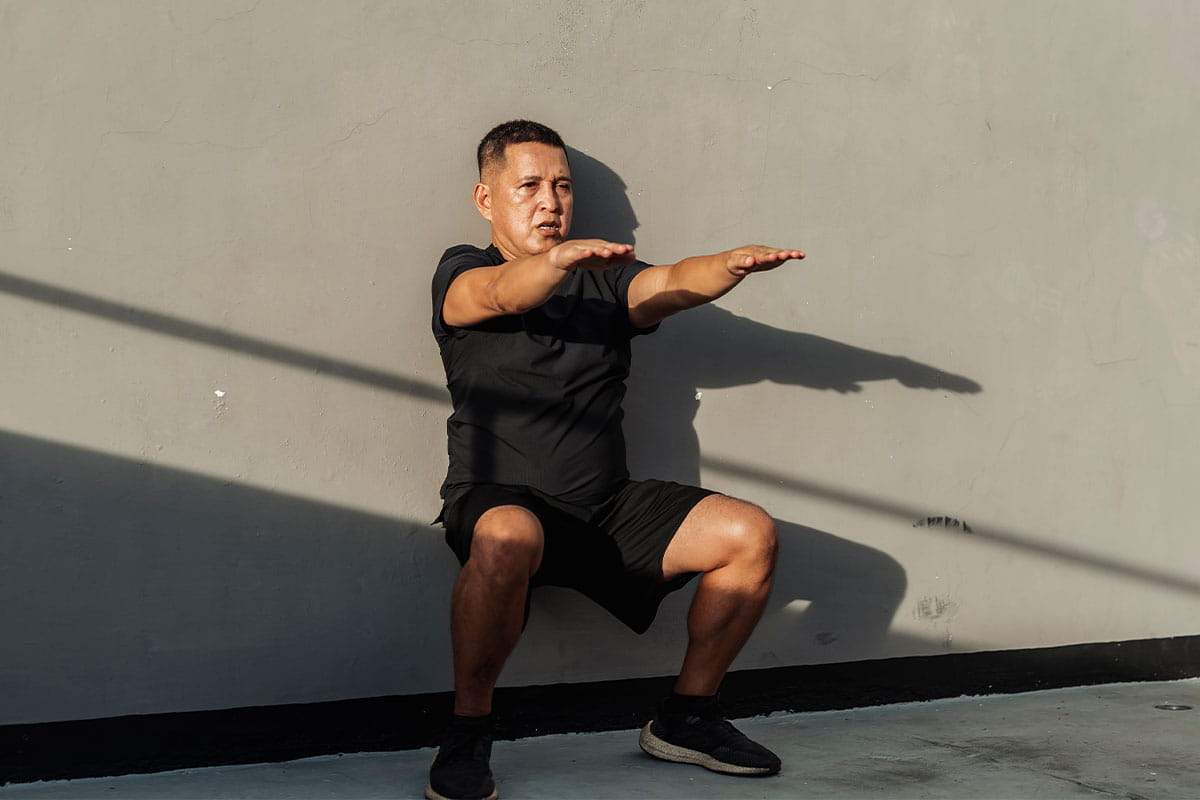
Strong legs and core muscles are essential for stability.
Helpful exercises may include:
- Sit-to-stand repetitions
- Heel raises
- Wall squats
- Seated marching
Before beginning any new routine, consult your neurologist or care team.
4. Try Tai Chi or Dance

Tai Chi has some of the strongest evidence for fall prevention in Parkinson’s. A study published in The New England Journal of Medicine found that Tai Chi significantly reduced falls compared to resistance training or stretching
Dance, particularly tango, waltz, and foxtrot, has also been shown to improve gait and balance.
5. Address Freezing of Gait

Freezing (when the feet feel “glued” to the floor) is a common cause of falls.
Strategies to address freezing of gait include:
- Stepping over an imaginary line
- Counting 1-2-3 before stepping
- Using a metronome beat
- Shifting weight side-to-side
6. Make the Home Safer

The Centers for Disease Control and Prevention (CDC) recommends home modifications to reduce fall risk, including:
- Removing loose rugs
- Installing grab bars
- Improving lighting
- Using non-slip mats
- Keeping walkways clutter-free
An occupational therapist can provide a personalized home safety evaluation.
7. Review Medications Regularly

Some Parkinson’s medications may cause dizziness or drops in blood pressure (orthostatic hypotension).
Ask your neurologist to review:
- Timing of doses
- Blood pressure changes
- Side effects affecting stability
Never adjust medications without medical supervision.
8. Wear Supportive Footwear

Proper footwear improves traction and stability. The National Institute on Aging recommends wearing sturdy, non-slip shoes to reduce fall risk:
Look for:
- Low heels
- Non-slip soles
- Secure fit
- Good arch support
Avoid backless slippers or slick soles. You can also try slip-on sneakers, which are becoming very popular for seniors and people with disabilities, so you don't have to deal with ties.
9. Stay Physically and Socially Active
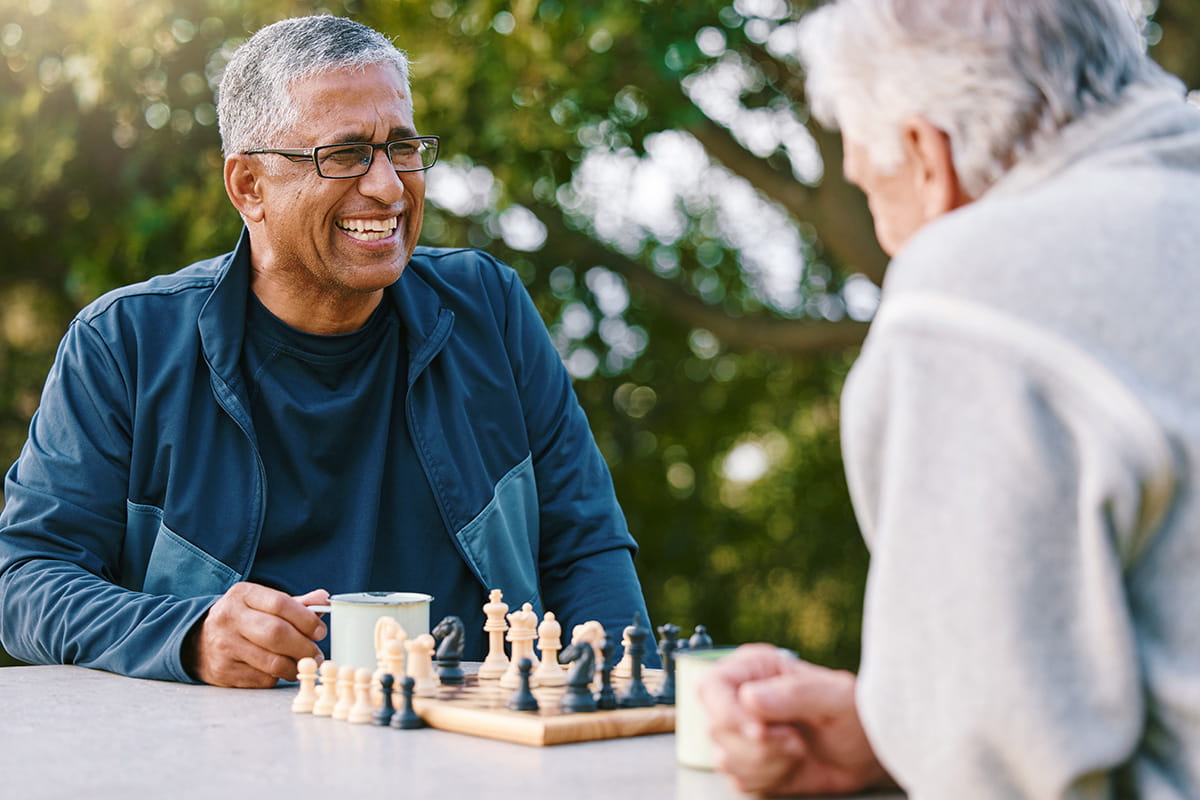
Isolation increases both physical decline and fear of falling. Take advantage of indoor and outdoor activities to get moving from the comfort of your home or with others. Try chair exercises if you're not steady or have orthostatic hypertension.
Get out and grab coffee or tea with a new or old friend, or set up a weekly meet-up to stay connected and be an active part of the PD community.
The Bottom Line

Balance changes are common in Parkinson’s, but falls are not inevitable.
Research, rehabilitation, smart home adjustments, and strong community support can dramatically reduce risk.
At PCLA, we are here to help you live your absolute best life with Parkinson’s. Explore our events and resources or get in touch with a real person.
Medical Disclaimer
This article is for educational purposes only and is not a substitute for professional medical advice. Always consult your neurologist or healthcare provider before making changes to exercise routines, medications, or fall-prevention strategies.
오늘 기부하기,
삶을 영원히 바꾸다
PCLA는 여러분과 같은 분들의 아낌없는 기부로 운영됩니다.
파킨슨병으로 영향을 받는 사람들에게 중요한 지원을 계속 제공할 수 있도록 오늘 기부를 고려해 주세요.
